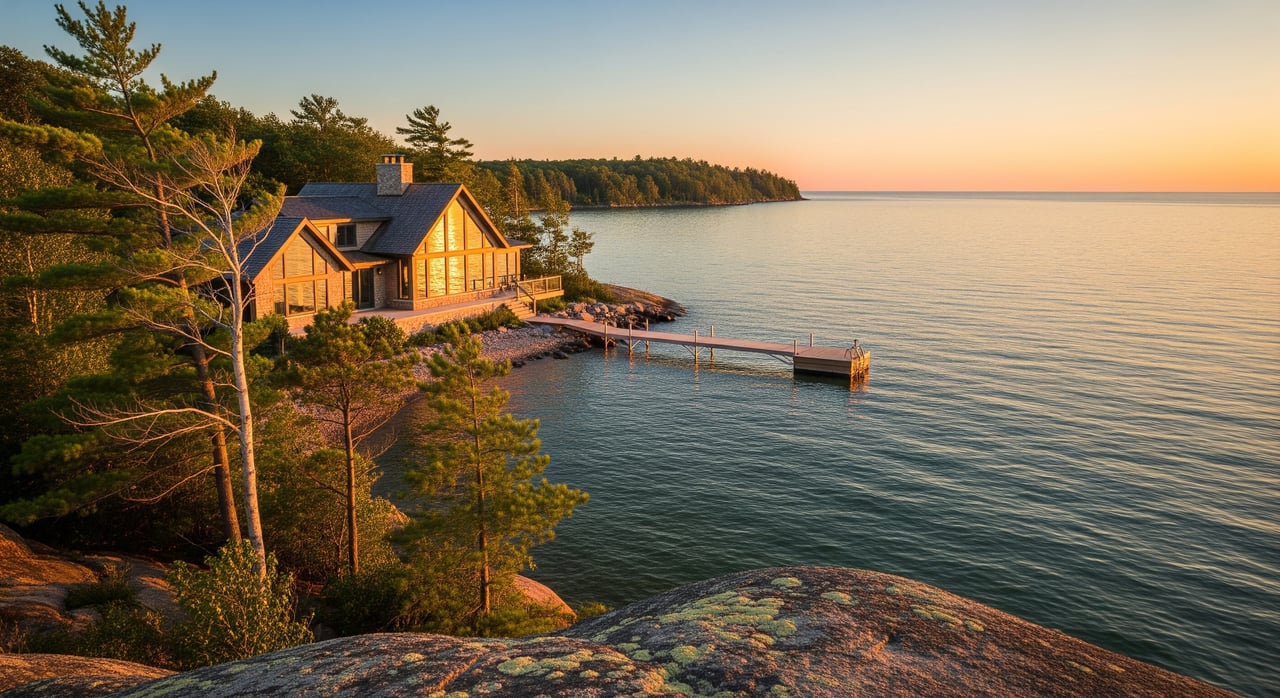
What makes one Alpena County lakefront sell fast at a premium while another lingers? If you have asked that question while scrolling listings or getting ready to list your place, you are not alone. Lakefront pricing has patterns you can understand. This guide breaks down the local factors that shape value so you can buy or sell with confidence. Let’s dive in.
Key lake factors in Alpena County
Lake Huron vs. inland lakes
Frontage on Lake Huron often carries a premium for wide-open water, boating access, and long views. It can also face stronger wave action, bluff or shoreline erosion risk, and seasonal variability that inland lakes do not. Inland lakes offer calmer water and a private, tucked-away feel that many second-home buyers love. Your choice should match how you plan to use the property and the risk profile you are comfortable carrying.
Lake size and connectivity
Larger lakes and water bodies connected to rivers or other lakes are popular with boaters and anglers. They tend to command higher values than small, isolated ponds. If you are a serious boater, you will likely value size, depth, and a network of navigable water over a small, quiet setting.
Proximity to Alpena amenities
The closer you are to Alpena’s services, the easier day-to-day life becomes. Access to marinas, healthcare, grocery options, and the airport adds convenience for both full-time and seasonal owners. That convenience often translates into stronger buyer demand and higher sale prices.
Frontage and shoreline features
Front footage and usability
Buyers often compare price per front foot, but not all feet are equal. Long frontage can mean more privacy and better dock options, yet usability matters more than a survey number. A grassy, accessible shoreline with space for a dock is more valuable than a long stretch of marsh you cannot use.
Shoreline type and wetlands
Sandy beaches and gently sloped entry points are typically the most marketable and easiest for swimming and docking. Rocky or marshy edges can limit recreation and reduce buyer interest. Protected wetlands or dense vegetation can also limit what you can build or clear, which affects value.
Docking and access rights
Deeded private frontage is the gold standard for many buyers. Shared association access can work well, but it usually trades at a discount to exclusive frontage. Confirm dock rights, any needed permits, and whether there are HOA rules or easements that limit boat lifts, ramps, or structures.
Water quality and recreation
Clarity, vegetation, and invasive species
Clear water and healthy shorelines support swimming, paddling, and scenic views. Lakes with frequent algal blooms, murky water, or weed-choked bays tend to see softer demand. Ask about aquatic invasive species and seasonal weed growth so you know what to expect.
Fisheries and boating appeal
Strong fish populations draw anglers and can lift demand near well-known hotspots. In Alpena County, interest spans walleye, perch, and trout or steelhead depending on the water body. If fishing is a priority, factor in nearby public launches and how easy it is to reach your favorite waters.
Erosion, water levels, and risk
Lake Huron water-level swings
Great Lakes water levels shift seasonally and across multi-year cycles. High or low water affects beach width, dock usability, and erosion rates. On Lake Huron, bluff or rock shorelines in some stretches require different maintenance than gently sloped, sandy inland edges. Review recent photos and data trends to understand current conditions and risk.
Flood zones and insurance
FEMA flood designations, past flooding, and local ordinances can influence insurance costs and financing. Before you commit, check local history and ask your agent for guidance on how flood risk might affect your budget and timeline.
Lot, home, and infrastructure
Orientation, topography, and buildability
Lots that sit higher and flatter are easier and more affordable to build on. Thoughtful orientation that captures water views, sunsets, or privacy will feel better the day you move in and the day you sell. Steep or wet lots can be beautiful, but plan for extra engineering, stairs, or shoreline work.
Systems, utilities, and access
Home condition matters. Roofs, foundations, HVAC, windows, and insulation influence value and time on market. Year-round road access, reliable power, and good Internet or cellular service add convenience that buyers notice. Municipal water and sewer are rare on lakefronts, so be ready to manage wells and septic systems.
Septic and well essentials
Older or undersized septic systems near the shoreline are common negotiation points. Replacements can be costly and may require setbacks and permits. Private wells should be tested for water quality and be appropriately sited away from septic fields and the shoreline.
Rules, permits, and costs
Shoreline work and approvals
Shoreline hardening, seawalls, rip-rap, and major site work often require permits. So do docks and boat ramps in many situations. Plan ahead and document any past shoreline work and permits. Regulatory complexity can add time and cost, which buyers will factor into offers.
Zoning and setbacks
Local zoning, riparian regulations, and septic setbacks limit where you can build and how you can use your frontage. Easements or recorded restrictions can also affect your plans. Confirm these details early so you can price and plan with confidence.
Market dynamics and timing
Inventory and seasonality
Lakefront inventory is often limited, especially for long frontage, sandy shoreline, or well-built homes. Listing activity and buyer interest peak from spring to summer. If you are buying, be ready to move when the right home hits the market. If you are selling, timing your launch into peak demand can help your price and days on market.
Who is buying and why
Expect a mix of full-time residents, retirees, and second-home buyers. Lakes closer to Alpena tend to draw more year-round use, while some more remote settings skew seasonal. Alpena’s recreation, boating, fishing, and the presence of the Thunder Bay National Marine Sanctuary add to the region’s appeal.
How pricing is set locally
Waterfront comps that matter
Appraisers and agents lean on recent sales from the same lake first, or from similar-sized lakes when needed. They adjust for frontage, shoreline type, home condition, lot usability, and distance to amenities. Price per front foot is one reference point, but it is always refined by usability, view quality, and the actual enjoyment the shoreline provides.
Common premiums and discounts
- Premiums: private, deeded frontage; sandy, gently sloped shoreline; permitted docks and lifts; wide views; quality construction; convenient access to Alpena services.
- Discounts: erosion-prone bluffs; marshy or weed-choked frontage; older or failing septic systems; limited docking rights; complex easements; difficult topography or access.
Buyer checklist for Alpena waterfront
- Inspect shoreline stability for erosion or bluff movement and note any past repairs.
- Confirm dock permits, mooring setup, and nearby public launch access if needed.
- Order a septic inspection and review county records or soil evaluations.
- Test well water for health indicators and confirm well and septic separation.
- Check flood designations and local flood history.
- Ask about aquatic vegetation and invasive species conditions.
- Verify access roads, winter maintenance plans, and utility reliability.
- Review existing shoreline structures and permits for seawalls or rip-rap.
Seller prep to maximize value
- Order a recent survey that clearly shows frontage and lot lines.
- Gather title documents, recorded easements, and any HOA rules.
- Compile permits and maintenance records for shoreline work and docks.
- Complete a pre-listing septic inspection if the system is older.
- Clean, repair, and stage the shoreline and access points. Confirm any needed permits before making changes.
- Work with your agent to build a comp set from your lake or the closest equivalents within the last 6 to 18 months.
Next steps with a local pro
Waterfront value is more than a view. In Alpena County, lake type, shoreline usability, erosion risk, utilities, and seasonality all show up in the final price. If you want a clear, appraisal-minded plan to buy or sell, connect early so you can navigate permits, inspections, comps, and timing without guesswork. Reach out to Aimee Smith for local, lake-by-lake advice and a pricing strategy that reflects real shoreline value.
FAQs
How do Alpena County buyers compare Lake Huron to inland lakes?
- Lake Huron often commands a premium for open-water access and views, while inland lakes offer calmer water and a private feel that can suit different budgets and uses.
What makes frontage length valuable in Alpena County waterfront pricing?
- More linear feet of usable frontage typically increases privacy and dock options, but marshy or steep sections reduce value compared to sandy, accessible edges.
How does shoreline type affect price and daily use?
- Sandy, gently sloped shorelines are easiest for swimming, docking, and beach enjoyment, while rocky or marshy edges limit recreation and soften demand.
What should I review before buying on Lake Huron regarding erosion?
- Check recent photos and water-level trends, inspect for bluff or shoreline repairs, and consider a shoreline engineering opinion when conditions look marginal.
Do permits and easements change what I can build on the shoreline?
- Yes. Shoreline work, docks, seawalls, and major site changes often require permits, and recorded easements or HOA rules can limit plans and impact value.
How important are septic and well inspections on lakefronts?
- Very important. Older or failing septic systems near the shoreline are costly to replace and regulated, and private wells should be tested for water quality.
When should I get an appraisal or broker price opinion for a lakefront?
- Do it before listing or making an offer so lake-specific comps and frontage adjustments inform your price and negotiation strategy.
What seasonal patterns should sellers in Alpena County expect?
- Listing activity and buyer demand typically run highest in spring and summer, while limited inventory can amplify pricing power for the best shorelines.