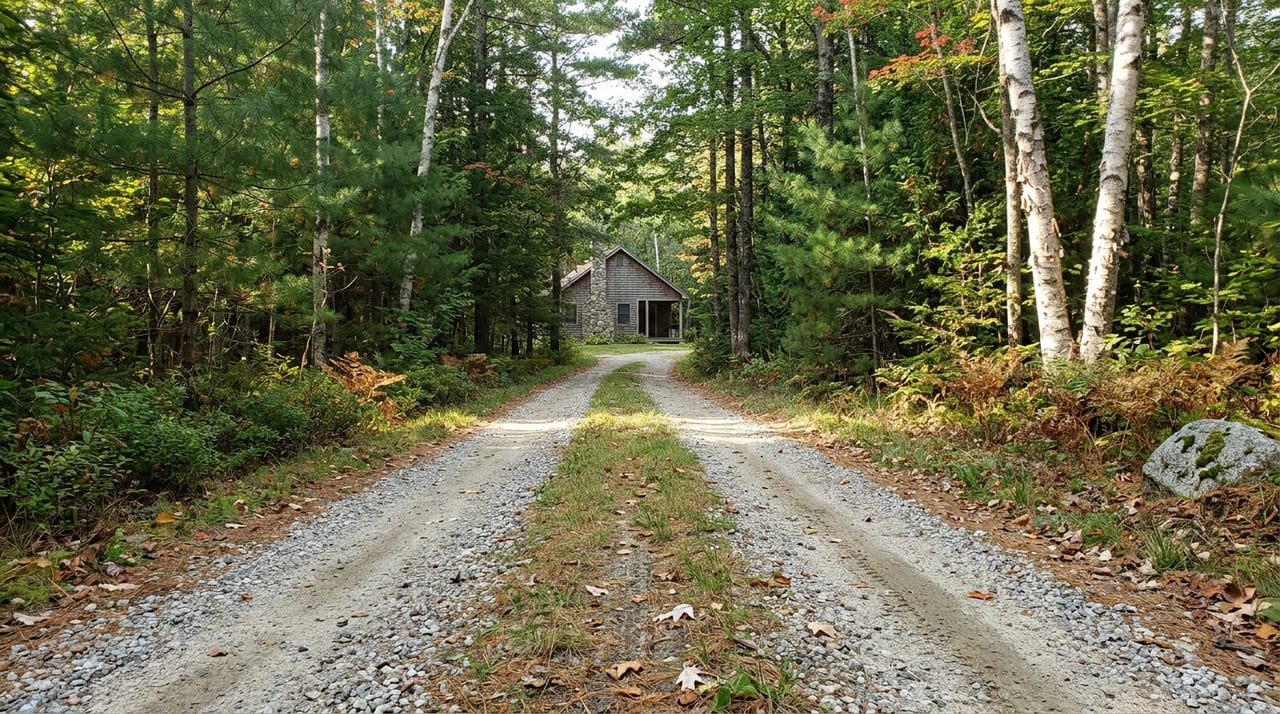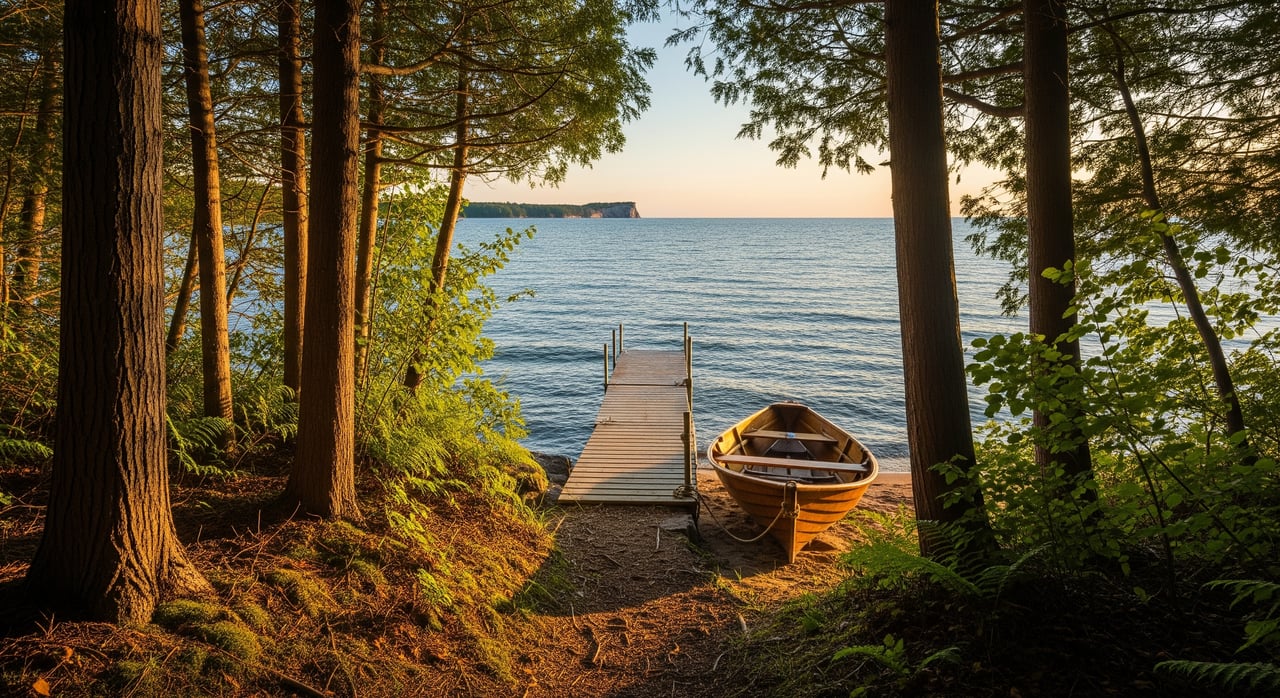
Picture your own base camp in the north woods, a place where you can hunt in the morning, ride trails by afternoon, and unwind by a campfire at night. Buying acreage in Alpena County feels exciting, but it is different from buying a house in town. You need a clear plan for access, surveys, utilities, zoning, and closing details. This step-by-step guide walks you through the local process and gives you practical checklists so you can buy with confidence. Let’s dive in.
Define your use and priorities
Start by deciding how you plan to use the land. Hunting, a future cabin, trails, timber, or water access all drive different site needs. Be honest about your ideal parcel size and your comfort level with seasonal or remote access.
List your must-haves:
- Primary use: hunting, cabin site, timber, habitat work, trails, or water access.
- Access: public or private road, year-round or seasonal, plowed in winter.
- Location: distance to supplies and services you will use most.
Clarifying your purpose helps you focus your search and evaluate parcels faster.
Confirm access and easements
Legal access is essential. Determine whether the road is public, private, or only shown on a map. If access crosses another parcel, you need a recorded easement that clearly states the route, width, and maintenance responsibilities.
What to verify:
- Road status. Confirm with the Alpena County Road Commission whether a road is public, private, or unmaintained.
- Easement documents. Obtain recorded ingress and egress easements from the Alpena County Register of Deeds. Get written copies, not verbal assurances.
- Year-round use. Ask about snow removal, gates, and who maintains the drive.
- Third-party rights. Check for utility easements or right-of-ways that could affect your use.
If access is unclear, include a contract contingency for verification and legal review.
Map boundaries and order a survey
You want to know exactly what you are buying. Old fences and paint on trees are not reliable. A current boundary survey by a licensed Michigan land surveyor is the gold standard for acreage.
Key steps:
- Review title and plats. Check the Register of Deeds for prior surveys and recorded plats.
- Locate markers. Ask a surveyor to find or set monuments at corners and along lines.
- Choose the right survey. A boundary survey is typical for rural land. If you plan site work, a stake-out can guide improvements.
- Protect yourself. Make your offer contingent on a satisfactory survey if boundaries are uncertain.
A fresh survey helps prevent disputes, supports future permitting, and gives you confidence on day one.
Evaluate utilities and site feasibility
If you plan to camp or build, confirm septic and well feasibility before you close. Also look into electric service, internet options, and driveway work.
What to check:
- Septic. Contact the Alpena County public health department to schedule a soil or site evaluation and understand the permit process for onsite wastewater.
- Well. Ask for any existing well logs and water test results. If no well exists, consult licensed well drillers about local depths, yields, and testing.
- Electric. Ask the local provider about the distance to the nearest pole, line-extension costs, and transformer availability. For remote sites, compare generator or solar-plus-battery options.
- Internet and cell. Verify mobile coverage and consider satellite or fixed wireless where needed.
- Driveway and drainage. Ask the Road Commission about driveway permits, culvert requirements, and best practices for snow season.
Get written estimates so you can compare options and plan your budget.
Understand timber, habitat, and land management
If timber value or habitat improvement matters to you, bring in the right experts early. A forester can estimate timber volume and quality and advise on access for logging. Habitat-minded buyers should look for a balance of cover, mast-producing trees, edge habitat, and low-impact access.
Consider:
- Timber inventory. Hire a qualified forester for a cruise or visual inventory and harvest guidance.
- Access and timing. Identify landing areas and plan around wet seasons to avoid rutting.
- Management programs. Explore state or federal programs, conservation easements, or stewardship plans that may support your goals.
These steps help you manage the land responsibly and may inform long-term tax and management decisions.
Check wetlands, floodplain, and shoreline
Parts of Alpena County include wetlands, inland lakes, streams, and Lake Huron shoreline influences. Wetlands and shorelines are regulated, and floodplain status can affect building placement and insurance.
Your due diligence list:
- Wetlands. If you suspect wetlands, request guidance from Michigan EGLE and consider a professional delineation before planning improvements.
- Shoreline rules. For Lake Huron or inland lake frontage, verify setbacks and permit needs for any shoreland work.
- Floodplain. Review FEMA flood maps for the parcel to understand any building or insurance implications.
Plan improvements to avoid regulated areas or secure permits where required.
Know zoning and local use rules
Township zoning controls what you can build, where you can camp, and how you can use your property. Rules vary by township.
Confirm:
- Zoning district and uses. Ask your township office about permitted and accessory uses, setbacks, and lot coverage.
- Building permits. Review the process and inspections for cabins, outbuildings, or any structural changes.
- Camping and RVs. Check rules for seasonal camping, RV stays, and any time limits.
- Trails and ORVs. Local ordinances govern ATV, UTV, and snowmobile use on township roads and connections to trail systems.
- Hunting rules. Follow Michigan DNR seasons and licensing, and review trespass laws and property posting practices.
Always get answers in writing from the township or agency responsible for the rule.
Title, taxes, insurance, and closing
Treat rural title work with care. Ask your title company or attorney to identify easements, mineral rights, and any restrictions that could affect your plans.
Checklist:
- Title search and insurance. Obtain a full title commitment and consider title insurance to protect against undiscovered encumbrances.
- Easements and liens. Review exceptions for utility, access, or conservation easements, plus any liens or restrictions.
- Property taxes. Confirm tax status and any special assessments with the County Treasurer or Equalization. Ask about forestry or open-space tax programs and any transfer rules or penalties.
- Insurance. Discuss coverage with your insurer, including rural factors such as distance to fire protection and water supply.
Make sure your purchase agreement allows time to review these items and resolve issues before closing.
Build your Alpena County team
Local experts save you time and reduce risk. Look for professionals who work in Alpena County and know township, county, and state processes.
Helpful contacts and providers:
- Alpena County Register of Deeds for deeds, plats, and recorded easements.
- Alpena County Road Commission for road status and driveway permits.
- Township offices for zoning, setbacks, camping, RV, and accessory-use rules.
- County public health department for septic evaluations and permits.
- Licensed well drillers for well feasibility and water testing.
- Utility providers for electric serviceability and costs.
- Licensed surveyors for boundary surveys and monumentation.
- Foresters and logging contractors for timber inventory and harvest planning.
- Title companies or real estate attorneys for title commitments, easement interpretation, and closing.
- Conservation District and NRCS for soils information and technical conservation assistance.
Ask for references and written estimates. Keep a folder with all approvals and permits.
Budget and timeline expectations
Vacant land due diligence takes time. Weather and seasonal conditions can affect feasibility work, especially in soft-ground areas or during wet seasons.
Typical items that add time and cost:
- Boundary survey and monumentation.
- Soil and site evaluation, septic design, and permitting.
- Well drilling and water quality testing.
- Electric line extension, transformer setup, and alternatives.
- Driveway and culvert installation, grading, and gravel.
- Timber cruise, access planning, and seasonal harvest timing.
- Wetland review, delineation, and any required permits.
- Title work, legal review, and closing coordination.
Build a realistic schedule and include contingencies in your offer to complete these steps.
Alpena County recreational land buyer’s checklist
Use this concise checklist to keep your purchase on track:
- Define use, size, access needs, and preferred location.
- Confirm road status with the Road Commission and obtain recorded easements from the Register of Deeds.
- Order a boundary survey if lines are unclear and require it as a contract contingency.
- Schedule septic feasibility with the county public health department.
- Verify well details or consult licensed drillers for feasibility and testing.
- Request electric line-extension estimates and compare off-grid options.
- Price driveway and culvert work and identify required permits.
- Screen for wetlands, shoreline rules, and floodplain status before planning improvements.
- Verify township zoning, setbacks, camping or RV rules, and building permits.
- Obtain a full title commitment, confirm mineral rights and easements, and consider title insurance.
- Confirm property tax status and ask about any forestry or open-space programs.
- Line up insurance for the intended use and any structures.
Keep everything in writing and retain copies for closing and future permitting.
Ready to walk land? We can help
When you are evaluating acreage, the right local guidance makes all the difference. Our team brings appraisal-informed insights, practical land expertise, and strong community relationships to help you verify access, align surveys and utilities, and navigate zoning and closing. If you want a straightforward, locally grounded path to owning recreational land in Alpena County, connect with Aimee Smith for a no-pressure conversation about your goals.
FAQs
How do I verify legal access before buying land?
- Obtain recorded easements from the Register of Deeds, confirm road status with the Road Commission, and ask a title company or attorney to review any unclear language.
What should I do to confirm septic and well feasibility on vacant land?
- Schedule a soil or site evaluation with the county public health department and request well logs and water tests, or consult licensed well drillers if no well exists.
Can I harvest timber on my Alpena County parcel?
- Commission a timber inventory, review title for easements or restrictions, and confirm any program requirements before planning a sale or harvest.
What if part of my parcel is a wetland or near a shoreline?
- Ask Michigan EGLE about potential jurisdiction, consider a professional wetland delineation, and plan improvements to avoid regulated areas or obtain permits.
How do I estimate electric service for a remote parcel?
- Contact the local electric provider for a line-extension estimate, including transformer and right-of-way needs, and compare with generator or solar-plus-battery options.
Do I need a new boundary survey if corner markers are hard to find?
- A current boundary survey by a licensed Michigan surveyor is recommended for acreage, especially if markers are missing or boundaries are unclear.