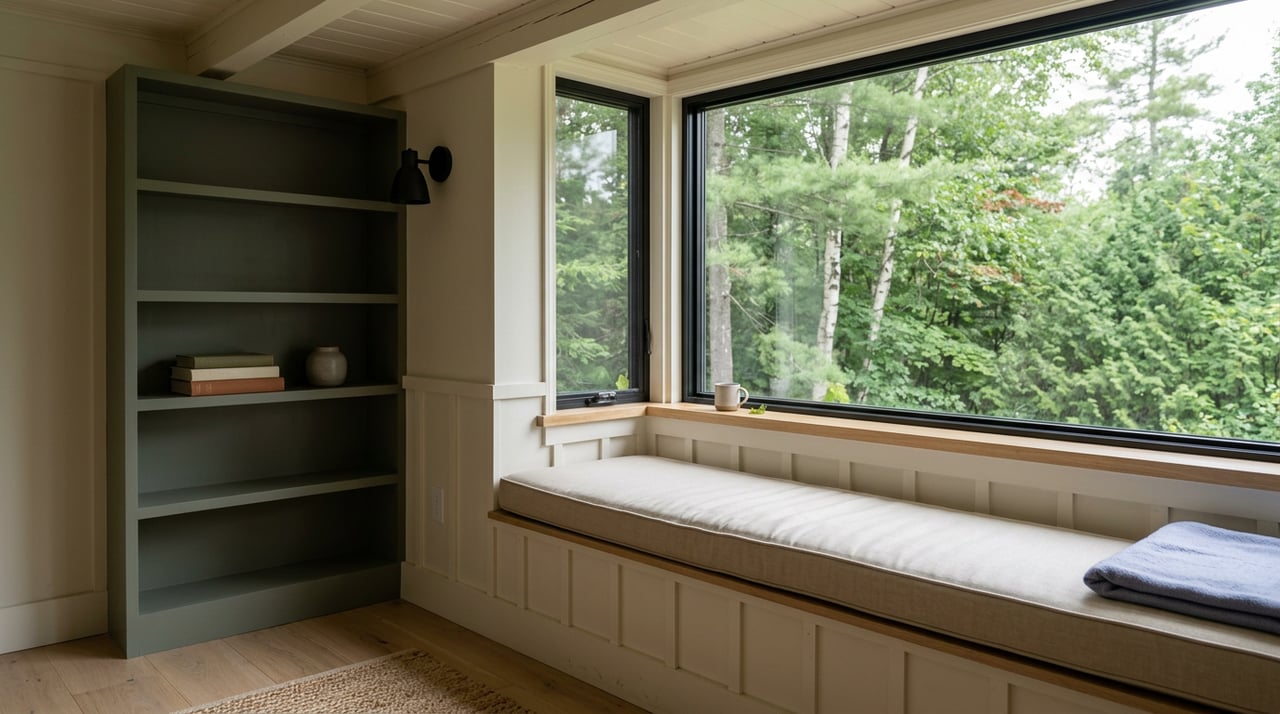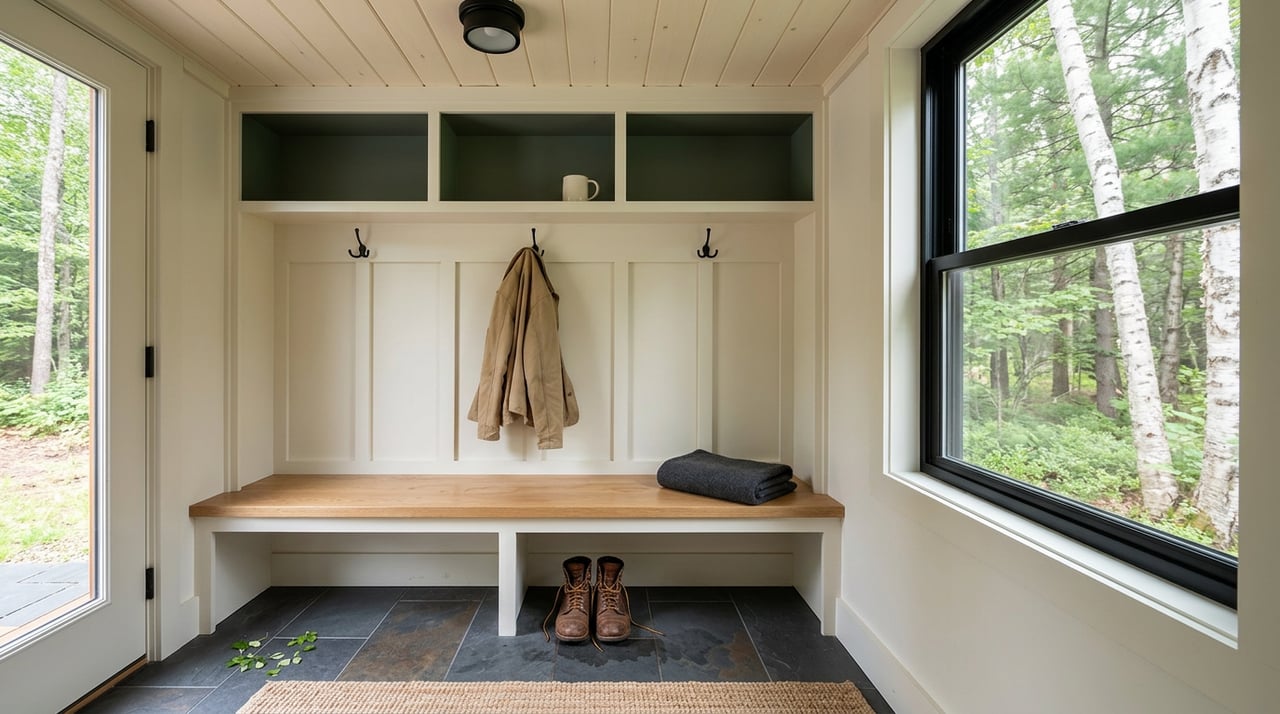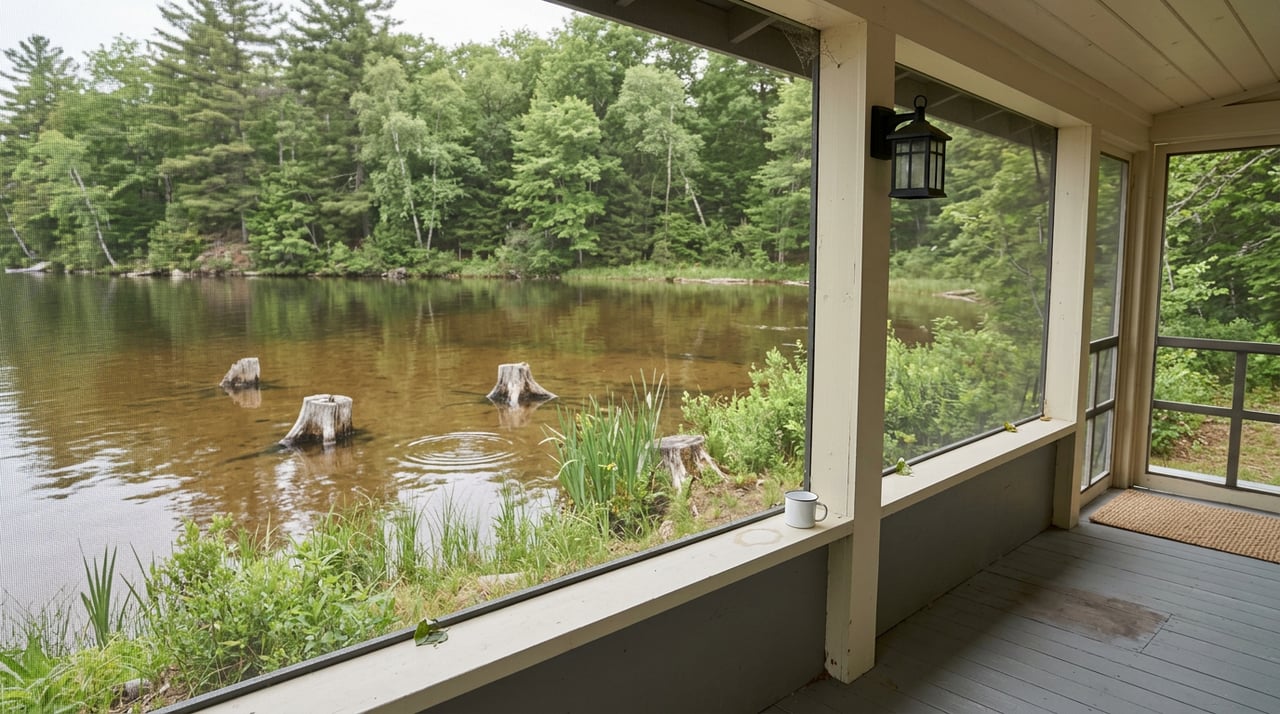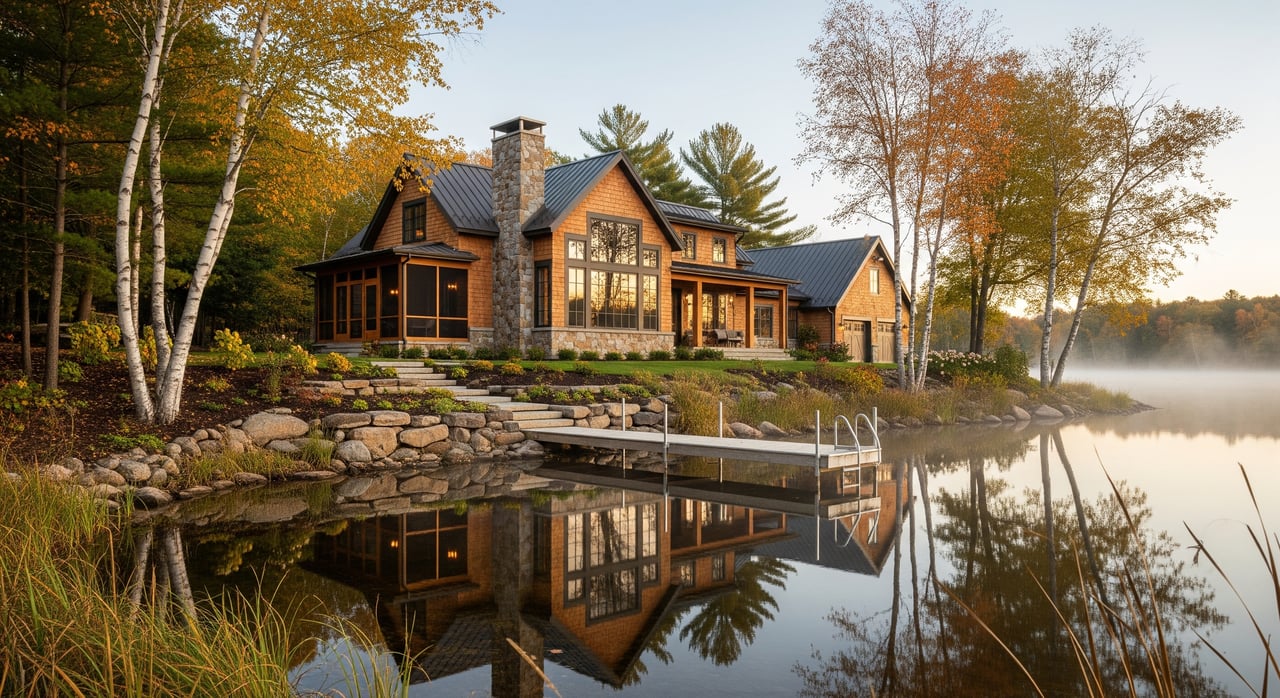
Thinking about an Up North place but torn between a cozy cottage and a full-time home? You are not alone. In Montmorency County, seasons can be stunning and also serious, so how you plan to use the property matters. In this guide, you will compare key differences, learn what to check on tours, and see what it takes to convert a cottage to year-round living. Let’s dive in.
Big-picture differences
Choosing between a seasonal cottage and a year-round home starts with how often you plan to be here.
- Cottage strengths: lower purchase price, simpler systems, a classic lakes-and-woods vibe, and usually lower ongoing utilities when shut down in winter.
- Cottage tradeoffs: limited winter access, more prep to protect systems, and potential financing or insurance caveats.
- Year-round strengths: all-season access, full insulation and heating, easier financing, and fewer winter surprises.
- Year-round tradeoffs: higher upfront cost and ongoing expenses for heating, snow removal, and maintenance.
What Montmorency winters mean for you
Northern Lower Michigan winters bring extended cold, frequent snow, and stormy periods that affect roads and buildings. The local National Weather Service office in Gaylord provides helpful climate context for northern Lower Michigan, including winter patterns and safety tips. You can review the regional overview on the National Weather Service Gaylord page for northern Lower Michigan weather patterns here.
Heating demand and risk windows
Year-round homes need reliable, sized-for-winter heating. Cottages often have smaller stoves or space heaters that are not designed for continuous cold snaps. Freeze risk spikes in late fall and during spring thaw, when unheated systems are most vulnerable.
Snow, ice, and travel
Frequent snow affects driving, deliveries, and access to long or steep driveways. Snow load and ice dams are real concerns for unmonitored roofs. Plan ahead for plowing and safe roof management.
Utilities checklist: wells, septic, propane, power
Rural properties in Montmorency County commonly use private wells, septic systems, and propane. Each system needs to match your intended use.
Private wells: protect from freezing
Ask for the well log, depth, casing, and recent water tests. Confirm the pressure tank and key components sit in a heated area, and that lines are buried below frost depth or insulated. For best practices, review Michigan’s private well guidance from the state environmental agency here.
Septic systems: size and maintenance
Request recent pump and inspection records, plus a sketch of the tank and drainfield. Older or lightly used systems may not be sized for full-time occupancy. MSU Extension offers practical maintenance guidance and winter tips; you can explore their resources here.
Propane and fuel delivery
Confirm tank size, age, and whether lines are protected. Ask about average winter usage, delivery schedules, and any contract terms. If you plan to convert to year-round, make sure the furnace is sized for continuous use and that winter deliveries are reliable.
Electricity and backup power
Rural outages can occur during storms. Many year-round owners add a standby generator or portable backup to run the furnace, well pump, and essential circuits. Check your electrical service capacity if you plan to add electric heat or larger appliances.
Access and roads in winter
Access can decide whether a property is truly year-round or best as seasonal.
County vs private roads
Determine if the property sits on a county-maintained road or a private road/drive. County roads are plowed based on priority. Private roads and shared driveways are usually maintained by owners or associations. Always request written road maintenance agreements and plowing details.
Seasonal or limited access roads
Some roads are not maintained in winter. If access is seasonal, you will need private plowing and a winter plan for emergencies. Do not assume recreational trail access equals legal vehicle access.
Driveway length, grade, and turnarounds
Steep or long drives can require frequent plowing and sanding. Confirm there is a turnaround for delivery trucks and emergency vehicles. If propane or septic services cannot reach you in deep snow, you will have real challenges.
Converting a cottage to year-round
If you love a cottage and want to live in it full-time, expect focused upgrades.
Building envelope and heating
- Insulate and air seal the attic, walls, rim joists, and crawlspace or basement.
- Install a reliable, cold-climate heating system and keep records of service.
- Use smart thermostats and remote monitors to maintain minimum temperatures.
Plumbing and freeze protection
- Move key plumbing components into heated spaces whenever possible.
- Insulate or heat-trace vulnerable runs and exterior fixtures.
- Add leak and low-temperature sensors for peace of mind.
Roofs and ice dam prevention
- Improve attic insulation and ventilation to reduce ice dams.
- Consider rated roofing materials for heavy snow.
- Plan safe snow removal when needed.
Septic and well winter prep
- Maintain vegetation over drainfields to insulate the soil.
- Add insulation over shallow areas if necessary.
- Protect the wellhead and lines; keep the pressure tank in heated space.
Snow removal plan
- Price out plow services based on driveway length and access.
- If you own equipment, budget for maintenance and fuel.
- Confirm service providers can reach you during heavy storms.
Backup systems
- Consider a standby generator sized for the well pump, furnace, and key circuits.
- Add remote temperature and water sensors to catch problems early.
Costs to expect (drivers, not hard numbers)
- Fuel usage: cold snaps increase propane or fuel oil consumption.
- Plowing and sanding: longer or steeper drives are costlier.
- Upgrades: insulation, HVAC sizing, and plumbing protection add upfront costs but reduce risk.
- Ongoing maintenance: roof, gutters, and driveway upkeep matter more in heavy winters.
Purchase, financing, insurance
Inspections and specialists
Order a full home inspection and add well, water, and septic evaluations. Include HVAC, roof, and electrical capacity checks. If converting to year-round, ask a contractor to assess insulation and heating needs.
Financing checkpoints
Lenders often expect year-round access, working heat, and functional utilities for a primary residence. Seasonal cottages may fit vacation or renovation products if upgrades are required. Talk with your lender early to match loan type to the property’s condition.
Insurance notes
Seasonal and vacant policies can differ from standard homeowner coverage. Many insurers require winterization steps and periodic checks if the home sits empty. Ask about coverage for ice, snow, and outbuildings.
When a cottage fits
- You plan mostly warm-season use with occasional winter visits.
- You prefer a lower price point and are comfortable winterizing.
- Access may be limited during storms and that is acceptable for your plans.
- You are open to upgrades if you convert later.
When a year-round home fits
- You need reliable winter access and daily livability.
- You want full insulation, sized heating, and fewer cold-weather risks.
- You prefer simpler financing and standard insurance.
- You value remote monitoring and backup systems for peace of mind.
Questions to ask on a showing
- Is the access road county-maintained or private, and who plows it?
- Where are the well and pressure tank located, and are service lines protected from freezing?
- When were the well and septic last serviced or pumped, and are records available?
- What fuel does the home use, how large is the tank, and what was last winter’s usage?
- Has the home been occupied year-round, and were there any freeze or septic issues?
- Can propane trucks, septic pumpers, and emergency vehicles turn around in the driveway?
- What upgrades have been done for insulation, roof load, and HVAC sizing?
- Are there any road agreements, easements, or cost-sharing obligations?
How Hillman Real Estate helps
With appraisal-backed guidance and local know-how, you get practical advice tailored to Montmorency County’s climate, roads, and rural systems. Whether you are buying a lake cottage or a year-round home, you will get a clear plan for inspections, utilities, access, and winter readiness. If you are debating cottage vs year-round, let’s walk a few properties together and compare real costs and tradeoffs on site.
Ready to find the right fit for your Up North lifestyle? Connect with Aimee Smith to talk through your plan and schedule a tour.
FAQs
What defines a year-round home in Montmorency County?
- A year-round home typically has full insulation and air sealing, a reliable heating system sized for winter, protected plumbing, and dependable winter road access.
Can you finance a seasonal cottage as a primary residence?
- It depends on habitability details like heat, utilities, and access; discuss the property’s condition with your lender to confirm eligibility or renovation options.
How do propane deliveries work in winter for rural homes?
- Delivery schedules and contracts vary; confirm tank size, access for trucks after snow, and whether automatic deliveries are available to prevent runouts.
What should a private road maintenance agreement include?
- Look for who plows, how costs are shared, timelines after storms, and how decisions are made for grading or repairs; request it in writing.
How often should a septic system be pumped for year-round use?
- Many households pump every 3 to 5 years, but actual frequency depends on tank size and use; ask for records and follow local health guidance.
Do I need a standby generator for a year-round home?
- While not required, many rural owners add backup power for the furnace, well pump, and key circuits to reduce risk during winter outages.