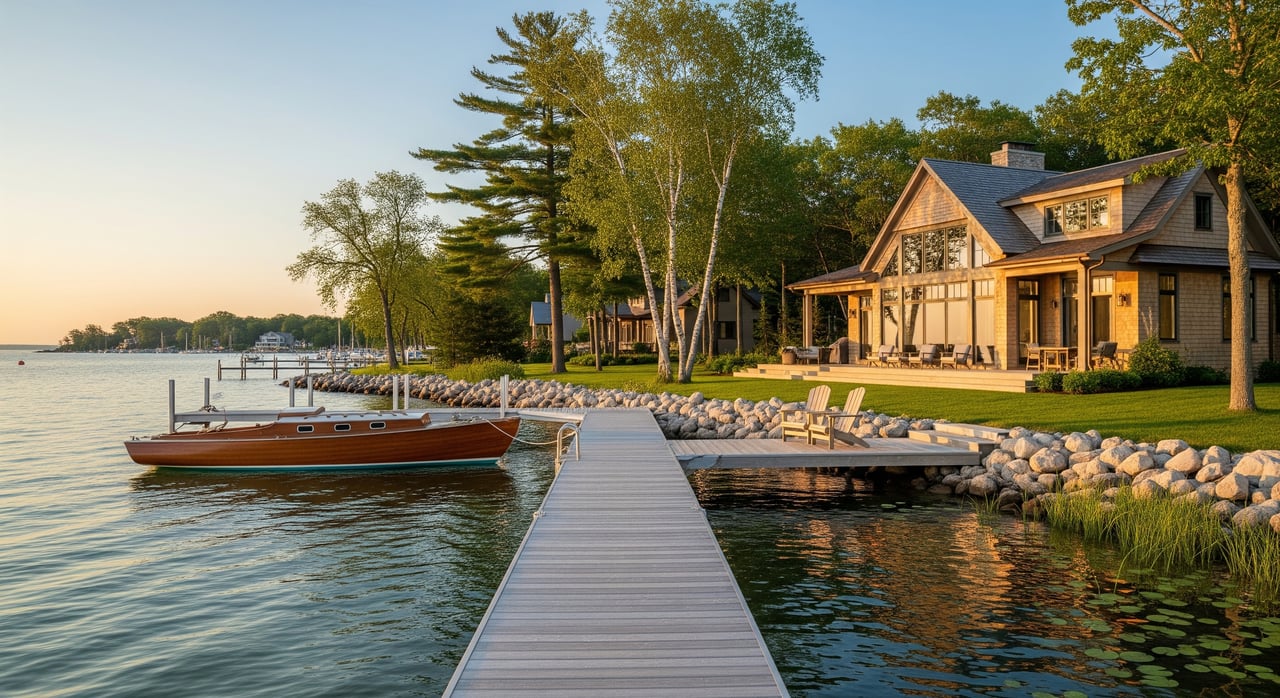
Dreaming of an Up North summer where mornings start with lake breezes and nights end by a crackling fire? If Alpena County is on your radar, you are looking at a place that blends a walkable harbor town with wild shoreline, quiet inland lakes, and miles of woods. In this guide, you will see how summer really feels here and which homes fit the way you want to live. You will also get practical buying tips on permits, inspections, and upkeep. Let’s dive in.
Why Alpena County in summer
Alpena County sits on the western shore of Lake Huron in Michigan’s northeastern Lower Peninsula. The city of Alpena anchors the county with a historic downtown, harbor access, and everyday services. Outside town, you find long stretches of shoreline, inland lakes and rivers, and rural acreage.
Summer weather is warm and often comfortable. Daytime highs commonly run in the 70s Fahrenheit, and breezes off Lake Huron can keep the shoreline cooler than inland spots. Humidity varies, so good ventilation and dehumidification are smart features to look for in a home.
Summer is the busy season. Marinas, festivals, farmers markets, and seasonal rentals run at full clip. Many services operate year-round, but recreation businesses and some hours expand to meet summer demand.
Getting here is simple by car via US and state highways. There is a regional airport for commercial and general aviation, though carriers can change, so you should confirm current schedules. Public transit is limited compared with urban areas, which makes proximity to services and road access worth attention when you shop.
Lake time, your way
The county’s summer life is shaped by water. You can choose big-water adventure on Lake Huron or a quieter scene on inland lakes and rivers.
Lake Huron living
On Lake Huron and around Thunder Bay, you get panoramic views, steady winds, and large-lake boating and fishing. The maritime heritage is a big part of the feel, including diving and shipwreck history. Harborfront evenings invite strolling, dining, and people-watching when events are in full swing.
Because it is big water, you should plan for changing lake levels, winds, and waves. Shorelines vary from stone to sandy stretches, and some areas use reinforced designs to manage erosion.
Inland lakes and rivers
Inland lakes and rivers bring calmer water and a slower pace. Think kayaking, family swimming, and bass or bluegill fishing. Many buyers choose these lakes for a sheltered feel and, in some cases, more approachable price points compared with Great Lakes frontage.
Public beaches and boat launches matter. Not every inland lake has public access, so if you plan to trailer a boat or host guests, check proximity to launches or deeded access when you view properties.
Towns, harbor, and community rhythm
Alpena’s downtown hub
Summer clusters around downtown Alpena, where you find small businesses, restaurants, museums, and seasonal outdoor events. Farmers markets and art strolls add to the energy. The harbor area ties it together with marinas and walkable waterfront paths.
Rural Up North pace
Beyond town, you will find quiet roads, farm stands, and plenty of back-road exploring. Hiking, birding, ATV trails, and scenic drives are part of the summer routine. Cottages often lean into outdoor spaces like screened porches and fire pits so you can enjoy evenings even during mosquito season.
Homes that fit your summer
Every summer lifestyle has a home style that fits it. Here are the common options in Alpena County and what they deliver.
Lake Huron waterfront homes
- Experience: Big-water views, direct access to Lake Huron, and the drama of wind, waves, and sunsets.
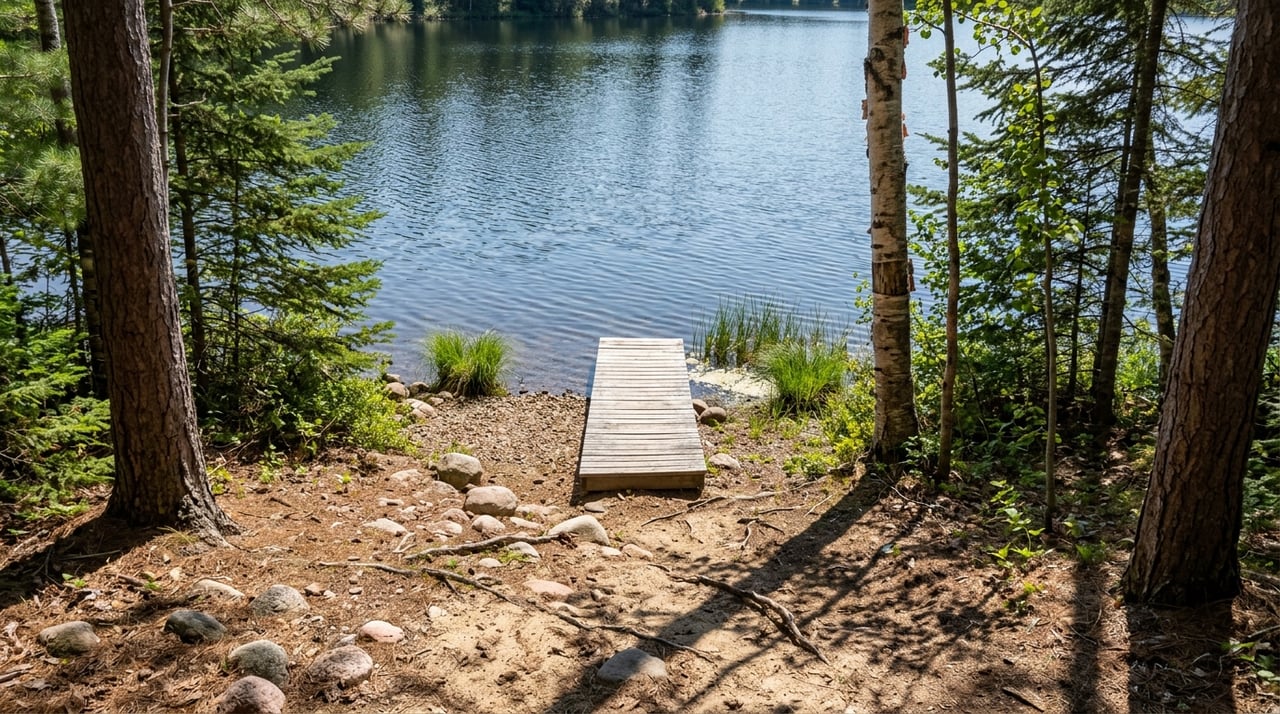
- Features to expect: Private or community docks where permitted, stone or sandy shoreline, raised foundations or shoreline reinforcement in erosion-prone areas.
- Tradeoffs: Higher insurance and maintenance, potential flood or erosion exposure, and stricter permitting for shoreline work.
Thunder Bay and harborfront cottages or condos
- Experience: Easy access to marinas and the harbor, walkability to downtown, and a lively summer community feel.
- Features to expect: Smaller lots or condo settings, simpler year-round access, and proximity to dining and events.
Inland-lake cabins and lake lots
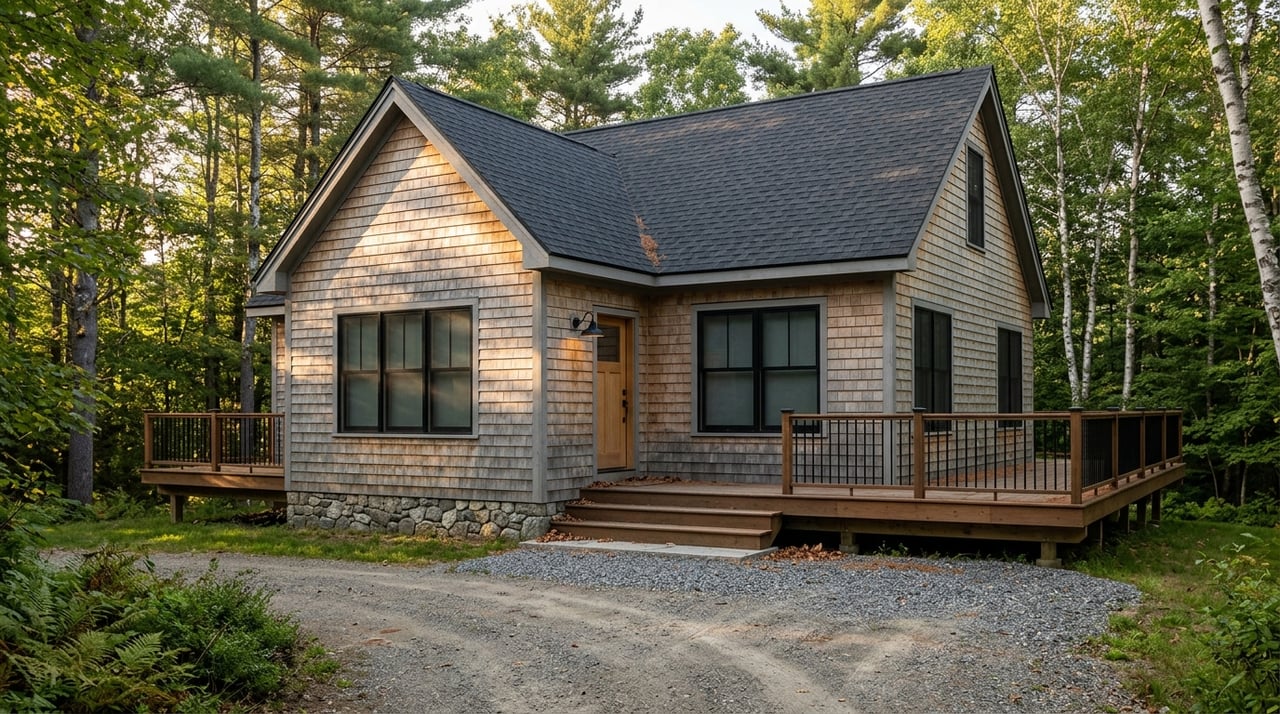
- Experience: Calmer waters ideal for swimming, paddling, and family fishing, with a more sheltered shoreline experience.
- Features to expect: Wooded lots, dock or boathouse options, and common use of private wells and septic systems that may be seasonal.
Rural cabins and acreage
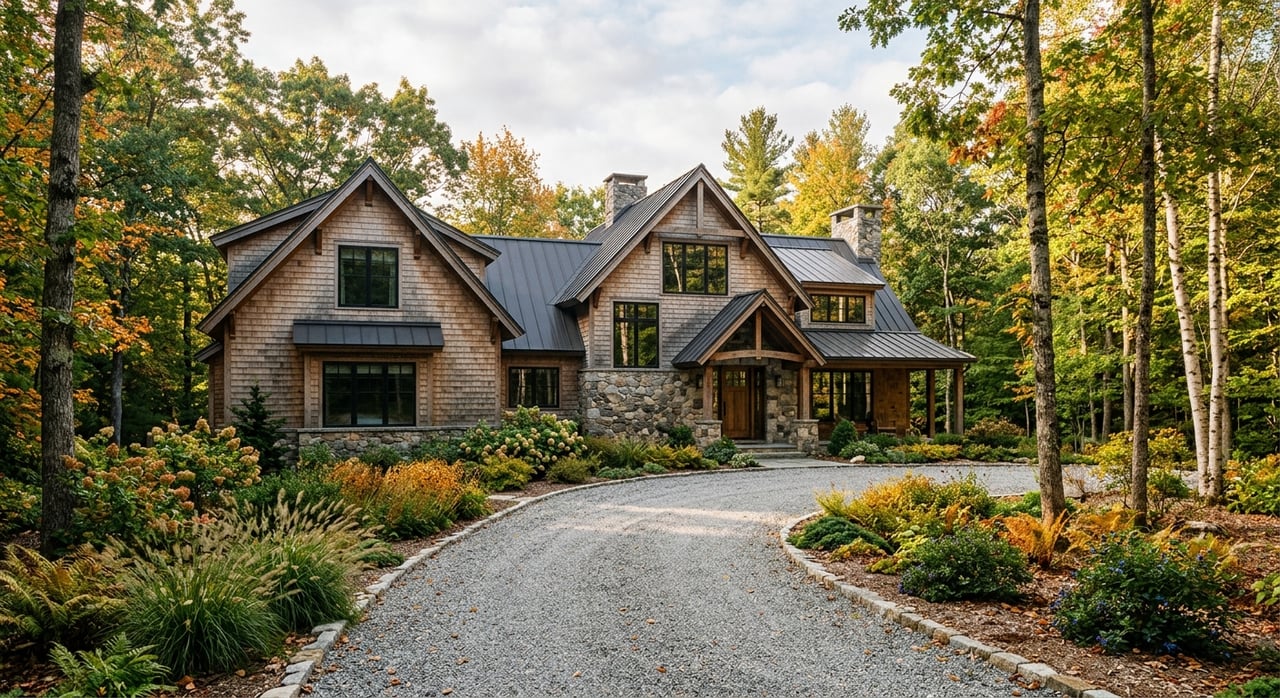
- Experience: Privacy, starry skies, and trail access, often at a lower cost per acre than waterfront.
- Features to expect: Mix of cleared and wooded land, seasonal roads in some areas, and on-site well and septic.
In-town Alpena homes and condos
- Experience: Walkability to services, markets, and restaurants, with parks and lakes a short drive away.
- Features to expect: Historic housing stock, smaller lots, and convenient access to daily needs.
Features summer buyers value
- Dock or boat access, or close proximity to public launches
- Storage for boats, kayaks, and ATVs, plus a garage or outbuilding
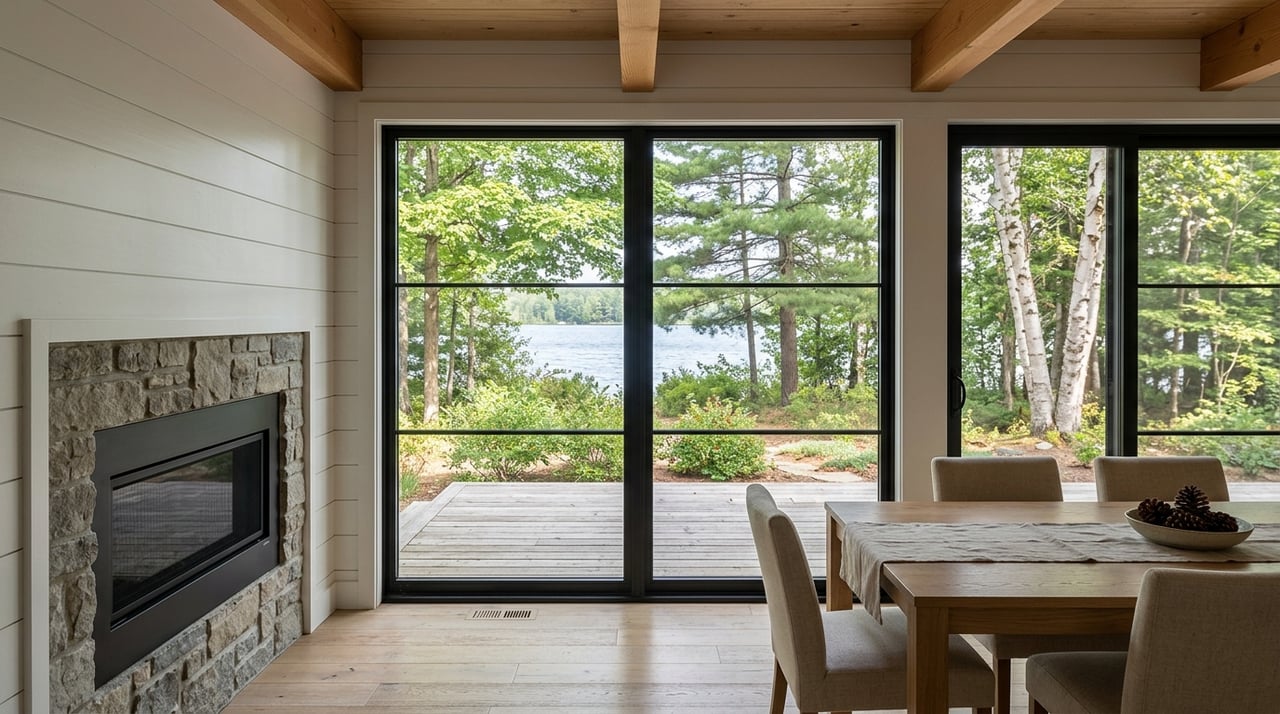
- Screened porches, expansive decks, and outdoor kitchens
- Mudrooms and gear storage for sandy, wet items
- Laundry, stronger HVAC, and whole-house ventilation for summer humidity
- Winterization safeguards if the home sits vacant in winter
- Reliable internet and cell service if you plan to work remotely
Permits, rules, and what to check
Shoreline, septic, and rental rules can vary by location. Before you write an offer, clarify the details that affect how you will use the property.
- Shoreline and dock permits: Great Lakes shoreline and navigable waters often require permits for docks and shoreline changes. Confirm prior permit history and talk with local and state offices before planning any work.
- Septic and well: Many rural and lakeshore homes use private systems. Always order a septic inspection and well water test for bacteria and nitrates. The county health department oversees permits and standards.
- Zoning and short-term rentals: Short-term rental rules differ by city and township. If you plan to rent, review the local ordinance for registration, parking, and occupancy rules.
- Flood zones: Check FEMA Flood Insurance Rate Maps to see if the parcel falls in a floodplain, which can affect insurance and lending.
- Easements and protected areas: Some properties include conservation or historic restrictions that limit alterations.
Inspection and insurance essentials
Waterfront and seasonal homes have unique checklists. Build these into your due diligence.
- Home inspection that focuses on roof, decking, foundation, and lake-effect wear
- Electrical capacity for garages, docks, and outdoor gear
- Septic inspection and well test, plus a shoreline or erosion assessment for waterfront
- Survey that clarifies boundaries, littoral rights, and high-water lines
- Insurance review that covers flood exposure, shoreline structures, and seasonal risks
Utilities, connectivity, and access
Some rural parcels rely on propane, private wells, and septic. If municipal water and sewer are important, verify availability before you fall in love with a home. Internet and cell coverage can be spotty in remote areas, so check carrier maps and ask about fixed wireless or satellite options. If you plan to visit in winter, confirm road maintenance and access.
Ownership costs and upkeep
Summer living brings joy and a few extra line items. Plan for:
- Dock and shoreline maintenance
- Septic pumping on a routine schedule
- Seasonal setup and shutdown for utilities and water systems
- Lawn and landscape work through summer, with snow removal if you use the home year-round
- Potentially higher insurance for waterfront exposure
Many of these costs can be scheduled and budgeted. Local contractors for docks, septic, wells, marine work, and winterization book up fast in summer, so it helps to line up off-season support early.
Rental potential and resale
If you are weighing rental income, summer is peak demand. Proximity to lakes, public access, and downtown events can improve performance. That said, local tax rules and STR ordinances vary, so verify the details for your specific township or the city of Alpena.
For resale, lakefront and harborfront properties tend to draw strong interest, but condition and shoreline stability matter. On any property, access, maintenance history, and overall usability are big drivers of value. Buyers often prefer homes with clear permits, recent septic documentation, and reliable utilities.
A quick buyer’s checklist
Use this simple list to keep your search focused:
- Confirm shoreline and dock permits before planning changes
- Order septic inspection and well water tests
- Review zoning and short-term rental rules in the city or township
- Check FEMA flood maps and ask about insurance requirements
- Verify internet and cell coverage at the property
- Assess the shoreline, decking, and foundation for wear
- Ask for utility costs and seasonal setup/shutdown details
- Consider winter access and heating if you plan year-round use
How Hillman Real Estate helps
You deserve local guidance that blends lifestyle insight with practical details. Hillman Real Estate is a locally owned boutique brokerage serving northeastern Michigan’s lake-and-woods market. Led by broker-owner Aimee Smith, a licensed appraiser with deep community ties, the team brings appraisal-backed pricing, hands-on support for waterfront and acreage, and the local relationships you need for inspections, permits, and contractors.
Whether you want a Lake Huron showstopper, a quiet inland-lake cabin, or an in-town Alpena home, we help you match the property to how you want to spend your summer. Ready to start the search? Reach out to Aimee Smith for a friendly, local conversation about your goals.
FAQs
Lake Huron vs inland-lake experience in Alpena County
- Lake Huron offers big-water views and larger-boat access with more wind and waves, while inland lakes are calmer and often better for paddling, swimming, and a sheltered shoreline feel.
Public access to beaches and boat launches in Alpena County
- The county includes public launches, parks, and municipal beaches, but not every lake has public access, so check proximity to launches or deeded access when you shop.
Dock and shoreline permits for Alpena County properties
- Dock installation or shoreline changes often require state permits and local approvals, so verify permit history and consult township or city offices before planning work.
Key inspections for waterfront and seasonal homes in Alpena County
- Order a standard home inspection, septic inspection, and well test, plus a shoreline or erosion assessment and a survey that clarifies boundaries and littoral rights.
Short-term rental rules for Alpena County homes
- Short-term rental regulations vary by township and by the city of Alpena, so review the local ordinance for registration, parking, occupancy, and noise rules before you buy.