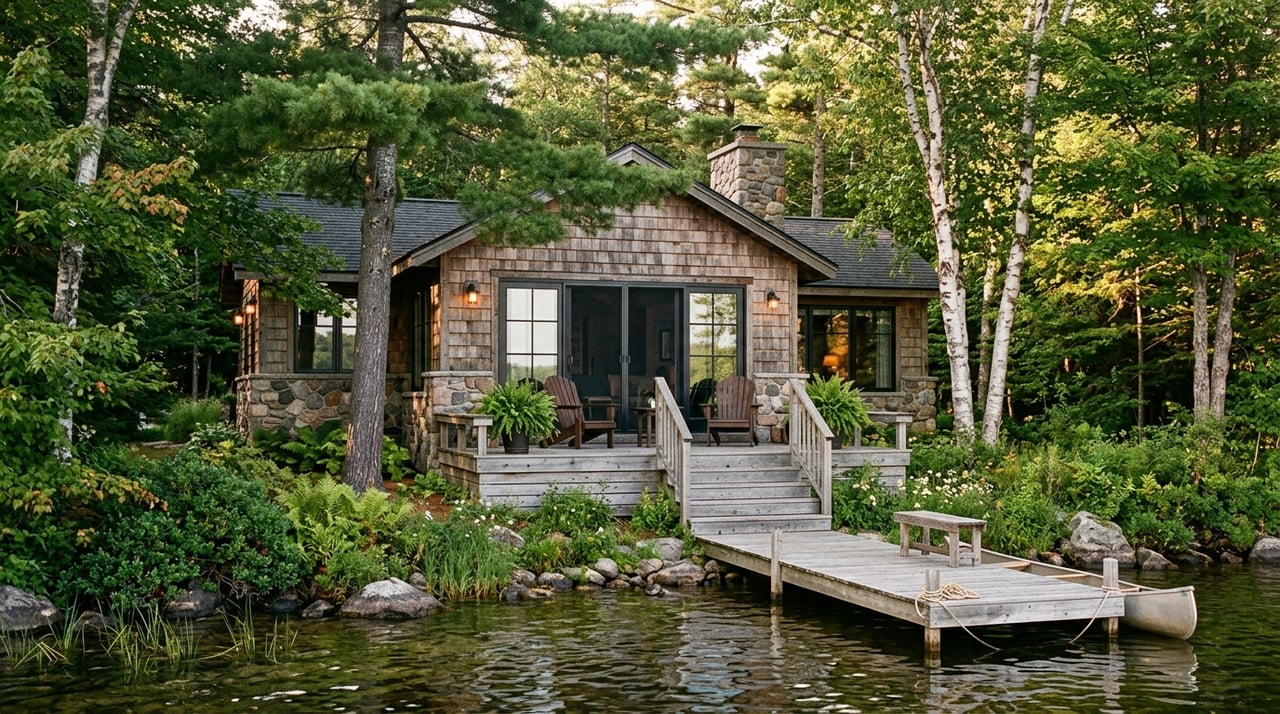
If you are selling lakefront property in Alpena County, you are not just selling a house. You are selling shoreline, water access, seasonal use, and a long list of details that buyers will notice fast. The good news is that when you prepare the right documents, price with waterfront factors in mind, and present the property well, you can make your listing stand out for the right reasons. Let’s dive in.
Know Your Waterfront Type
Not all waterfront property in Alpena County works the same way. County marine patrol areas include Long Lake, Beaver Lake, Lake Huron, Devils Lake, Lake Winyah, and the Thunder Bay River, so your property may fall into an inland lake, riverfront, or Great Lakes shoreline category.
That matters because buyer expectations and property rules can change depending on the water body. Inland-lake frontage often includes riparian rights tied to access and dockage, while Lake Huron frontage can involve state regulation of Great Lakes bottomlands up to the ordinary high-water mark. If you are selling on Lake Huron, shoreline and dock questions may need closer review before the home hits the market.
Gather Key Documents Early
Lakefront buyers tend to ask more detailed questions than buyers of a typical inland home. If you can answer those questions early, your listing feels more credible and your transaction often moves more smoothly.
Michigan’s Seller Disclosure Act requires a seller disclosure statement before a binding purchase agreement. The form asks about items that matter a lot for waterfront property, including well and pump, septic tank and drain field, flood insurance, shared features, municipal assessments, and notice that property taxes may change after transfer.
The law also gives buyers an important protection. If a signed disclosure statement is not provided, a buyer may be able to terminate an otherwise binding agreement. That makes timely, complete disclosure a basic step, not an extra.
Well and Septic Records Matter
In Alpena County, many properties outside public utility areas rely on individual wells and septic systems. County planning documents note that public water comes from Thunder Bay, but many outlying properties still depend on private systems.
For sellers, that means your well and septic information should be easy to find before listing. District Health Department 4 uses site and system details such as septic and well dates, bedroom count, pumping history, and a site sketch showing the water body, well, septic area, and replacement area. If you need an existing septic permit copy, the department may ask for the township, street address, subdivision or lot number, tax ID, year of construction, and names of previous owners.
Shared Features and Access Issues
Waterfront property can come with shared driveways, shared access points, or shared maintenance duties. Michigan’s disclosure form specifically asks about shared features, so it helps to gather any records or written details ahead of time.
If buyers have to guess who maintains a road, whether a dock area is shared, or how access works, they may hesitate. Clear information builds confidence and can reduce back-and-forth later.
Review Shoreline Improvements Before Listing
If you have made shoreline changes, or plan to do work before selling, timing matters. EGLE says permits may be required for docks, piers, boat wells, boat hoists, boat lifts, boardwalks, fences, decks, dredging, filling, and shoreline protection work.
Permit decisions generally take 30 to 90 days, and spring and summer are the busiest seasons. If you want to repair, replace, or document shoreline improvements, it is smart to start early rather than wait until your home is already on the market.
For Lake Huron frontage, the rules can be even more specific. EGLE requires permits for filling, dredging, or placing a structure on Great Lakes bottomlands, so sellers on the big water should confirm what is present and what has been approved.
Don’t Overlook Soil Erosion Rules
Alpena County also has a soil erosion permit process. A local soil erosion permit is typically required within 500 feet of a lake or stream, or when more than 1 acre of earth is disturbed, and local rules can be more restrictive.
This matters if you recently graded a lot, changed drainage, repaired access, or improved the shoreline. Buyers may ask what work was done and whether permits were pulled, especially when the property sits close to the water.
Document Flooding or Erosion History
EGLE notes that high water levels have affected homes, wells, septic systems, farms, and roads since 2019. If your property has dealt with shoreline erosion, flooding, grading issues, or seasonal access problems, organize that information before listing.
That does not mean your home cannot sell well. It means you should be ready with facts, dates, and records so buyers can understand the property clearly.
Price for Waterfront Reality
One of the biggest mistakes sellers make is pricing a lakefront home like a standard non-waterfront property. In Alpena County, waterfront value often depends on a much more specific set of features.
Key pricing factors can include:
- Frontage length
- Lake type or river setting
- Dockability
- Shoreline condition
- View corridors
- Lot usability
- Year-round versus seasonal access
- Age and condition of the well and septic system
These details shape how buyers compare one property to another. Two homes with similar square footage can feel very different in value if one has better shoreline, easier access to the water, or more usable outdoor space.
Use Local Parcel and Tax Data
Alpena County’s Equalization Office can provide GIS information, assessment information, and taxable values. That information can help verify parcel location and support a pricing conversation grounded in local facts.
For waterfront sellers, parcel details can be especially important. Buyers may want to confirm frontage, lot lines, and taxable value history as they evaluate the purchase.
Choose the Right Selling Window
Seasonality matters in Alpena County. The National Weather Service climate summary for Alpena in 2025 reported 163 days with minimum temperatures at or below 32 degrees, 68 days with maximum temperatures at or below 32 degrees, and a latest freeze date of May 9.
The practical takeaway is simple. It is usually easier to handle dock setup, shoreline cleanup, exterior maintenance, and listing photography after thaw and before colder weather returns.
That does not mean you cannot sell in colder months. It means your marketing plan should account for how the property shows in each season, especially if outdoor features are a major part of the value.
Stage the Water, Not Just the House
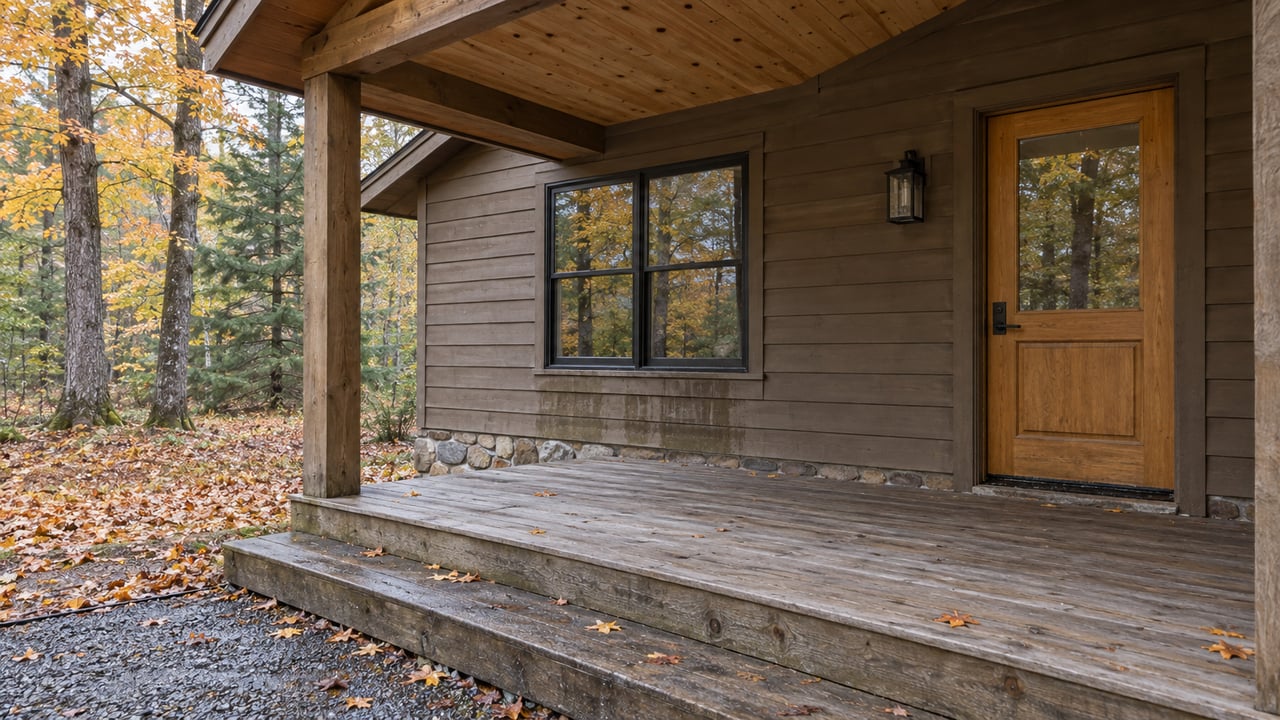
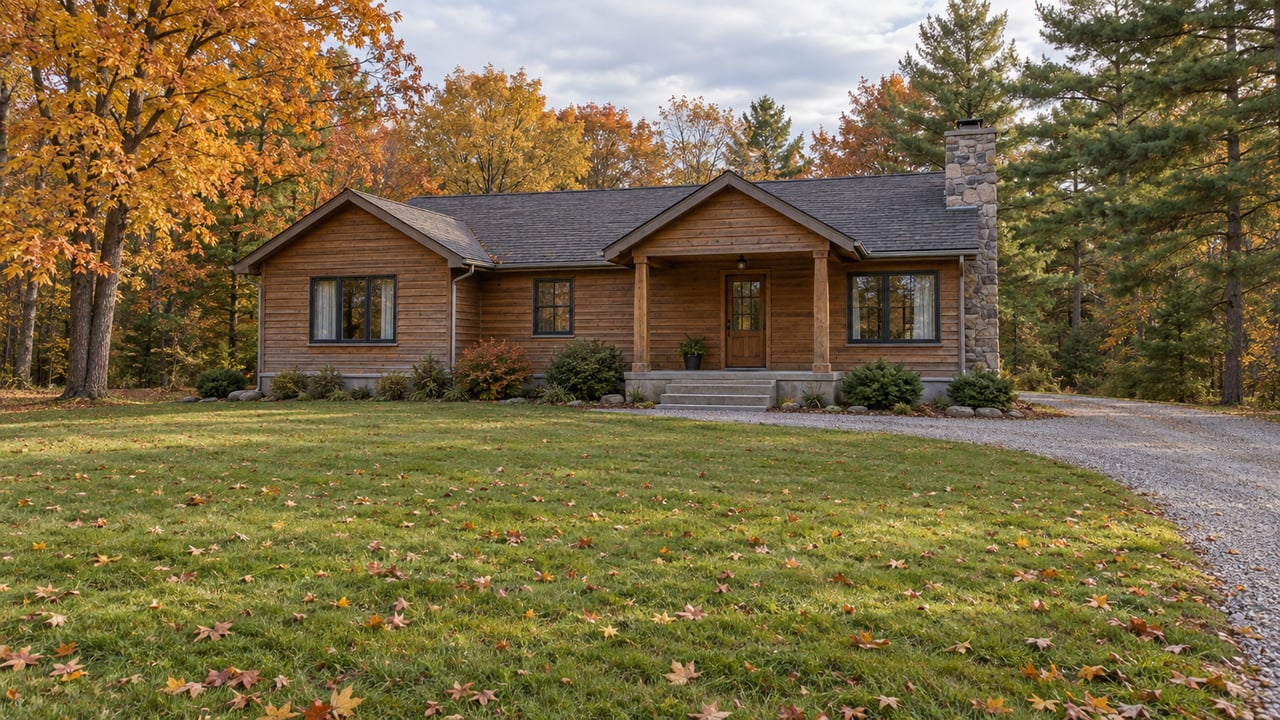
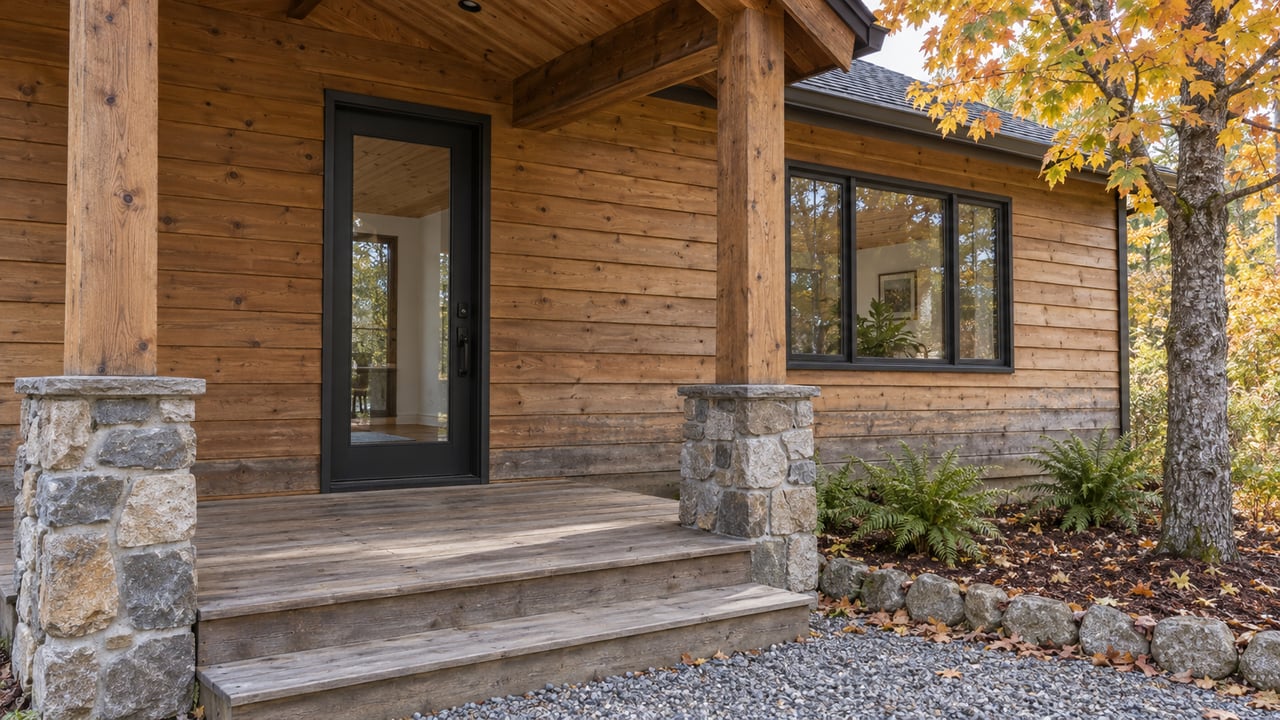
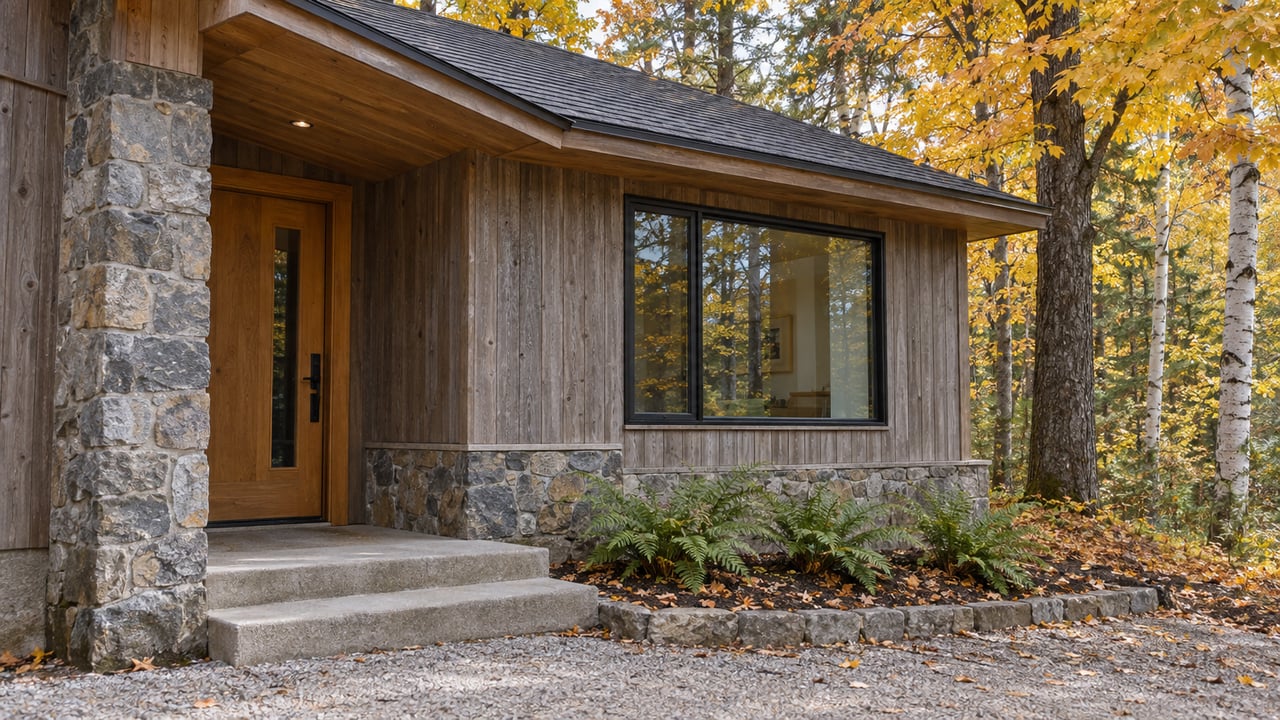
For lakefront property, the outside often matters as much as the inside. Buyers are paying close attention to the water view, shoreline condition, deck areas, and how easy it feels to enjoy the property.
National staging research in 2025 found that 83% of buyers’ agents said staging made it easier for a buyer to visualize a property as a future home. The same research also found that many real estate professionals believe staged homes sell faster, and that outdoor spaces are among the most important areas to stage.
Focus on Outdoor Presentation
Before listing, pay special attention to the features that connect the home to the water. That can include:
- Clear sightlines to the lake or river
- Tidy decks and patios
- Clean docks or boarding areas
- Trimmed shoreline vegetation where appropriate
- Uncluttered storage of water toys, tools, and equipment
- A neat path from the home to the water
Good presentation helps buyers picture how they would use the property. It also improves photos, which matters because most buyers start online.
Answer Buyer Questions Up Front
Waterfront buyers often move quickly from interest to detailed questions. If you can answer those questions in the listing process instead of later under pressure, you put yourself in a stronger position.
Common questions may include:
- Is the dock permitted or historically allowed?
- Is the shoreline natural, stabilized with riprap, or supported by another structure?
- Is the septic system documented?
- Is there a private well, and when was it last serviced?
- Are there shared access or maintenance obligations?
- Has the property had flooding, erosion, or high-water issues?
These are not minor details. Michigan’s required disclosure topics already point buyers toward wells, septic systems, flood insurance, shared features, and tax-related items, so it makes sense to prepare these answers before your home is marketed.
Why Local Expertise Matters
Selling lakefront property in Alpena County is part valuation exercise, part document project, and part marketing strategy. You need to understand the shoreline, the systems, the permits, the season, and the story buyers will tell themselves when they see the property.
That is where a local, appraisal-informed approach can help. A lake-focused brokerage can support pricing, disclosure review, permit verification, staging decisions, photography timing, and showing logistics around weather and water access.
When you are ready to sell, working with a local team that understands northeastern Michigan’s lake-and-woods market can make the process feel more straightforward. If you want practical guidance on pricing and preparing your Alpena County waterfront home, reach out to Aimee Smith.
FAQs
What makes selling lakefront property in Alpena County different from selling a regular home?
- Lakefront sales often involve extra buyer questions about shoreline type, dock rights, permits, well and septic systems, access, and seasonal use. Pricing also depends on waterfront-specific features, not just house size and condition.
What disclosures are required when selling waterfront property in Michigan?
- Michigan’s Seller Disclosure Act requires a disclosure statement before a binding purchase agreement, and the form includes questions about wells, septic systems, flood insurance, shared features, municipal assessments, and property tax changes after transfer.
What well and septic information should Alpena County sellers gather before listing?
- You should gather records related to well and septic dates, pumping history, bedroom count, site layout, and any available permits or health department documents, since many Alpena County properties rely on private systems.
What permits might affect a lakefront home sale in Alpena County?
- Depending on the property, permits may be relevant for docks, piers, lifts, boardwalks, dredging, filling, shoreline protection work, and soil erosion activity near lakes or streams.
When is the best time to list lakefront property in Alpena County?
- Many sellers find it easier to prepare and photograph waterfront property after thaw and before colder weather returns, when docks, shoreline areas, and outdoor spaces are more accessible and easier to show.
How should a lakefront property be priced in Alpena County?
- Pricing should consider frontage length, water body type, dockability, shoreline condition, lot usability, access, views, and the condition of private well and septic systems, along with local parcel and tax information.