If you are selling in Montmorency County, a strong price opinion is only part of the story. In a rural market filled with lakes, woods, acreage, and unique property types, appraisal issues can shape your pricing, negotiations, and closing timeline in a big way. When you understand how appraisal expertise helps, you can make smarter decisions, reduce surprises, and move toward closing with more confidence. Let’s dive in.
Why appraisals matter in Montmorency County
Montmorency County is not a cookie-cutter housing market. County information notes 352,019 acres, 248 lakes and reservoirs, and about 86% forest cover, while Census QuickFacts reports a small population, low density, and a high owner-occupancy rate. That kind of landscape often creates a thin pool of truly comparable sales, especially for waterfront homes, hunting land, cabins, and larger rural parcels.
For you as a seller, that means value is not always easy to pin down. A home on acreage or near water may have features that are hard to match exactly. Appraisal expertise helps by identifying the most defensible comparable sales and building a pricing strategy around how lenders and appraisers actually analyze properties in this kind of market.
How appraisers build value
Appraisers typically rely on the sales comparison approach. That means they compare your property to recent sales with similar site characteristics, room count, finished area, style, condition, and legal features.
In a market like Montmorency County, the best comparable sale is not always the closest one on a map. When local inventory and sales are limited, appraisers may need to use older sales or sales from competing areas if those are the best available evidence. The key is that the comparison still needs a clear, market-based explanation.
That is where appraisal expertise makes a difference for sellers. Instead of choosing a list price based only on hope, hearsay, or one nearby sale, you can use a pricing approach that reflects how value is likely to be supported if a buyer is using financing.
Adjustments are based on evidence
Appraisals are not built with simple price-per-square-foot shortcuts. Adjustments are made based on market evidence, including differences in timing, condition, site features, and concessions.
For example, if a comparable sale closed months ago in a changing market, the appraiser may need to account for the difference in timing between that sale and the current appraisal date. If a sale included concessions that changed the true net price, those terms may also need to be adjusted. That is one reason the highest contract price is not always the easiest price to support.
Why the cleanest offer can win
When sellers compare offers, it is easy to focus on the top number. But in appraisal terms, the structure of the offer matters too.
An offer with large concessions or terms that change the effective net price can create more appraisal pressure than a cleaner offer at a slightly lower contract amount. In a thin rural market, where comparable sales may already require careful explanation, simple and supportable terms can help reduce the risk of renegotiation later.
That does not mean you should always choose the lower offer. It means you should evaluate offers with both price and appraisal support in mind. Appraisal expertise helps you look beyond the headline number and weigh what is most likely to hold together through financing and closing.
Why property details matter more here
In Montmorency County, small details can have a big impact on value. Waterfront influence, access, legal description, parcel layout, and outbuildings may carry more weight than they would in a more standardized subdivision market.
That is especially true because county GIS records cover about 20,000 parcels and maintain tax maps and property description records. For your listing and any later appraisal, the details in your deed, tax record, parcel information, and marketing description should line up as clearly as possible.
Waterfront is not one-size-fits-all
A property on the water is not valued the same as a property with a water view, and a water-influenced site is not the same as direct frontage. Appraisal standards recognize these distinctions and treat them as potentially significant.
In a county with 248 lakes and reservoirs, that matters. If you are selling a lakefront cottage, a cabin with shared visual access, or a home near the water, your listing should describe the property carefully and accurately. Precise details about frontage, view, proximity, and site influence help create a clearer picture of value.
Outbuildings need accurate descriptions
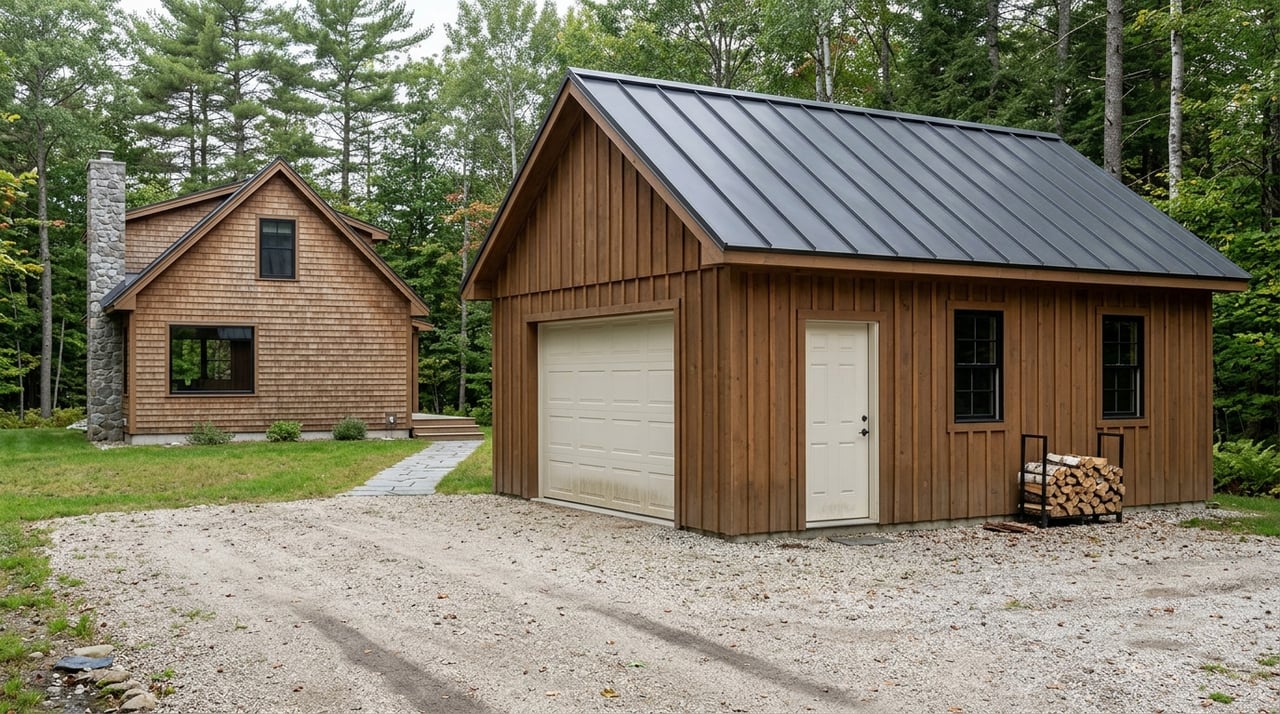
Barns, sheds, pole buildings, and storage structures can be useful selling points, but they do not all contribute value in the same way. Small outbuildings that are typical for the area may support value, while atypical or limited-use structures may add little or no contributory value.
If a property has significant agricultural-style improvements, those features may also change how the property is viewed in a residential appraisal. That is why accurate, consistent descriptions matter. You want buyers, agents, and appraisers all working from the same basic understanding of what is there.
Land, access, and legal features matter
In a rural county, site characteristics often carry major weight. Appraisers look at factors like parcel size, zoning, utility availability, use, access, and legal characteristics.
For sellers, this means your value may depend on more than the home itself. If your property includes multiple parcels, unusual access, recorded easements, or unique shoreline or wooded features, those details should be identified early. Clear documentation helps reduce confusion and gives the appraiser better support for the analysis.
Tax value is not market value
One of the most common seller misconceptions is treating an assessed value like a ready-made list price. In Montmorency County, the equalization office explains that local assessors determine assessments, county equalization reviews rolls using sales and appraisal studies, and assessed value is an estimate of one-half of fair market value.
That makes assessed value an administrative figure, not a direct substitute for market-supported pricing. If you use tax assessment alone to set your asking price, you may miss the actual market position of your home. Appraisal-informed pricing gives you a more realistic starting point.
Records can help prevent delays
The Register of Deeds maintains recorded land and property documents, including plats, legal descriptions, and mineral and surface interests. Having these records ready before or early in the listing process can make a real difference.
If questions come up during the appraisal or title process, it helps to already have key documents organized. For many sellers, that may include:
- Current deed
- Plat information if applicable
- Recorded easements
- Parcel details
- Information on mineral or surface interests, if relevant
These records help confirm what is actually being conveyed. That can be especially important for acreage, waterfront, and multi-parcel properties.
How appraisal expertise helps you sell smarter
In a market like Montmorency County, appraisal expertise is not just about defending a number. It helps you make better decisions from the start.
A seller with appraisal-informed guidance can often:
- Set a list price based on supportable comparable sales
- Highlight property features that truly affect value
- Avoid overstating features that may not add measurable support
- Compare offers based on both price and terms
- Prepare records that reduce confusion during underwriting and closing
That kind of preparation can lower the odds of a last-minute value dispute. It can also help you negotiate from a more informed position.
What this means for your next sale
If you are selling a cottage, year-round home, vacant parcel, or acreage tract in Montmorency County, your property deserves more than a generic pricing approach. Unique sites need clear analysis, accurate records, and realistic expectations.
That is why appraisal expertise matters so much in this market. It helps connect your asking price, your marketing, and your contract terms to the realities of lender review and buyer financing. In a lake-and-woods market, that local and practical perspective can make the path to closing much smoother.
When you are ready to price and market your property with a local, appraisal-informed perspective, reach out to Aimee Smith.
FAQs
How does appraisal expertise help Montmorency County home sellers?
- It helps you set a price based on supportable comparable sales, identify the property details that matter most, and reduce the risk of surprises during financing and closing.
Why are appraisals harder for rural properties in Montmorency County?
- Rural properties often have fewer closely matched comparable sales, especially when the property includes waterfront, acreage, woods, outbuildings, or unusual access features.
Does a Montmorency County tax assessment show what my home will sell for?
- No. The county explains that assessed value is an estimate of one-half of fair market value, so it should not be used as a direct substitute for a market-based list price.
What property details matter most in a Montmorency County appraisal?
- Important details can include waterfront type, view, parcel size, access, legal description, zoning, utilities, outbuildings, easements, and whether multiple parcels are involved.
What records should Montmorency County sellers gather before listing?
- Helpful records can include the current deed, plat information, parcel details, recorded easements, and any documents affecting mineral or surface interests when applicable.