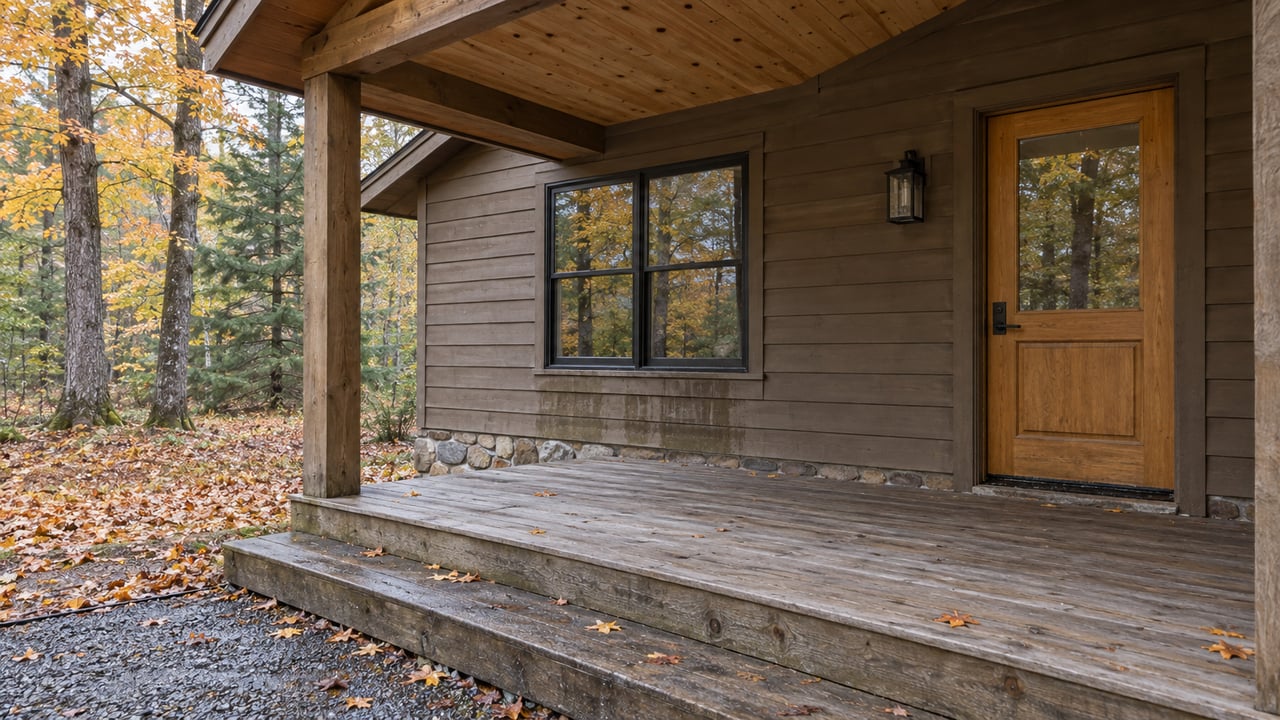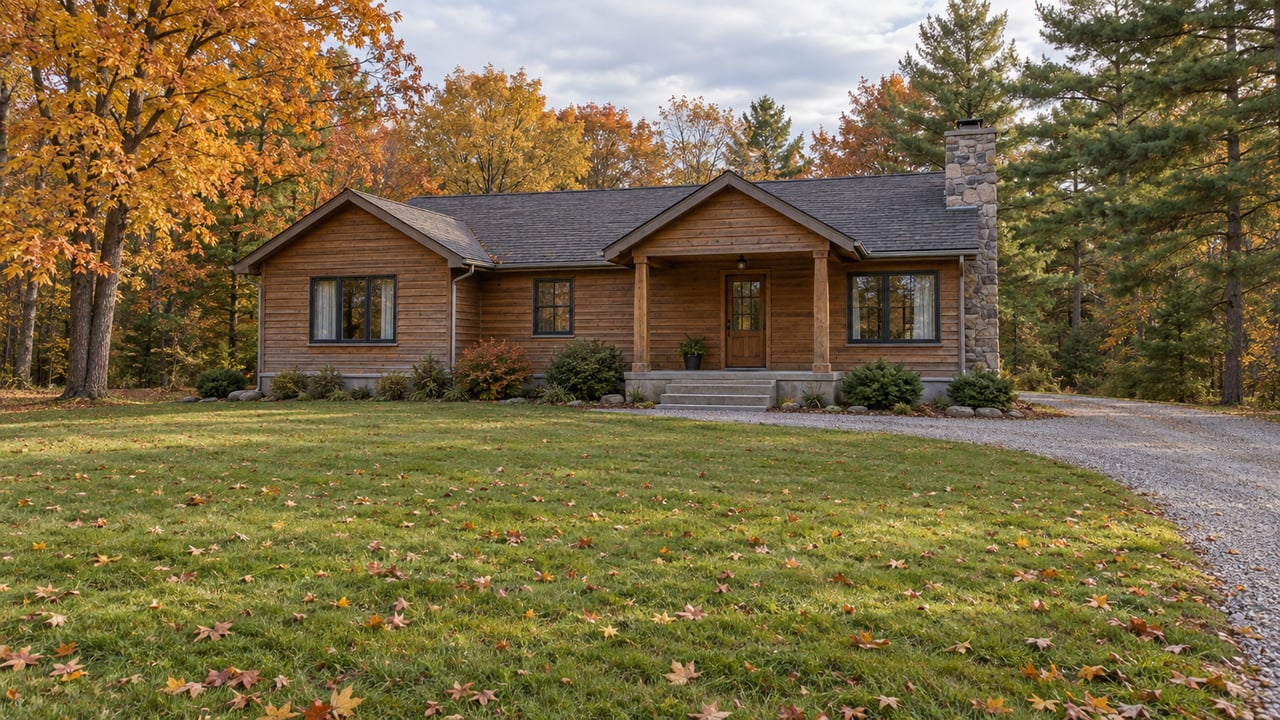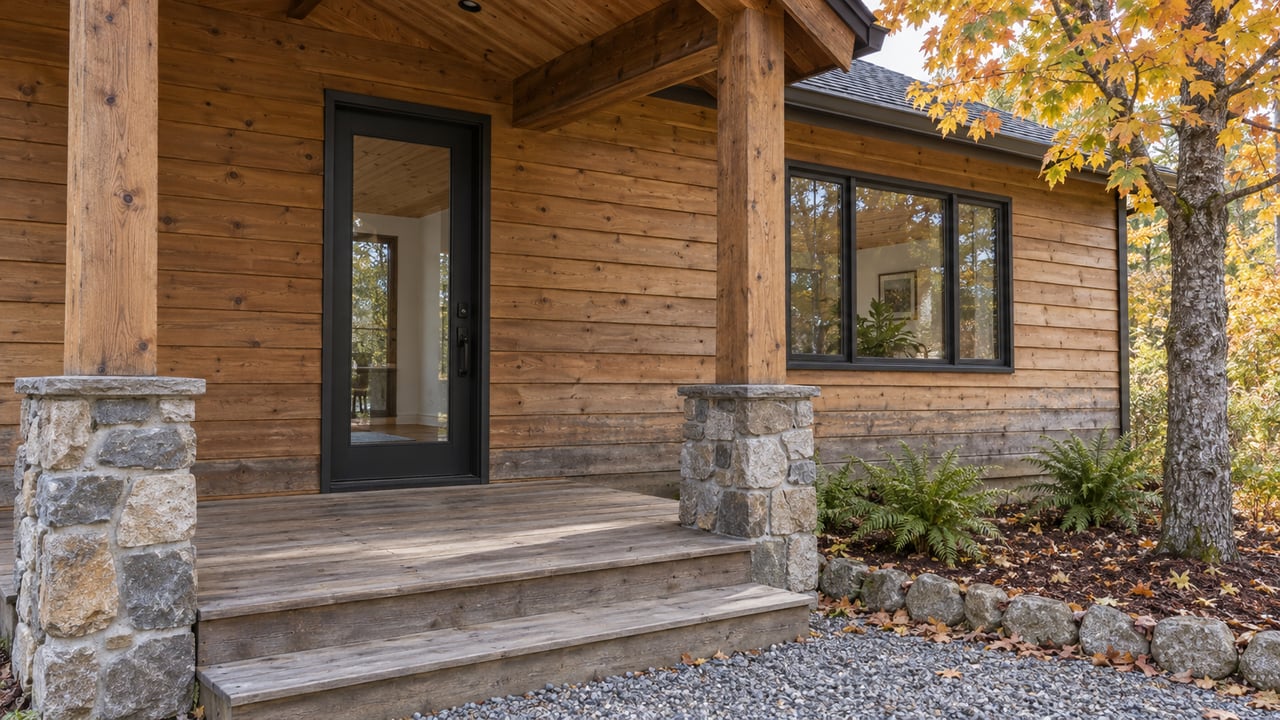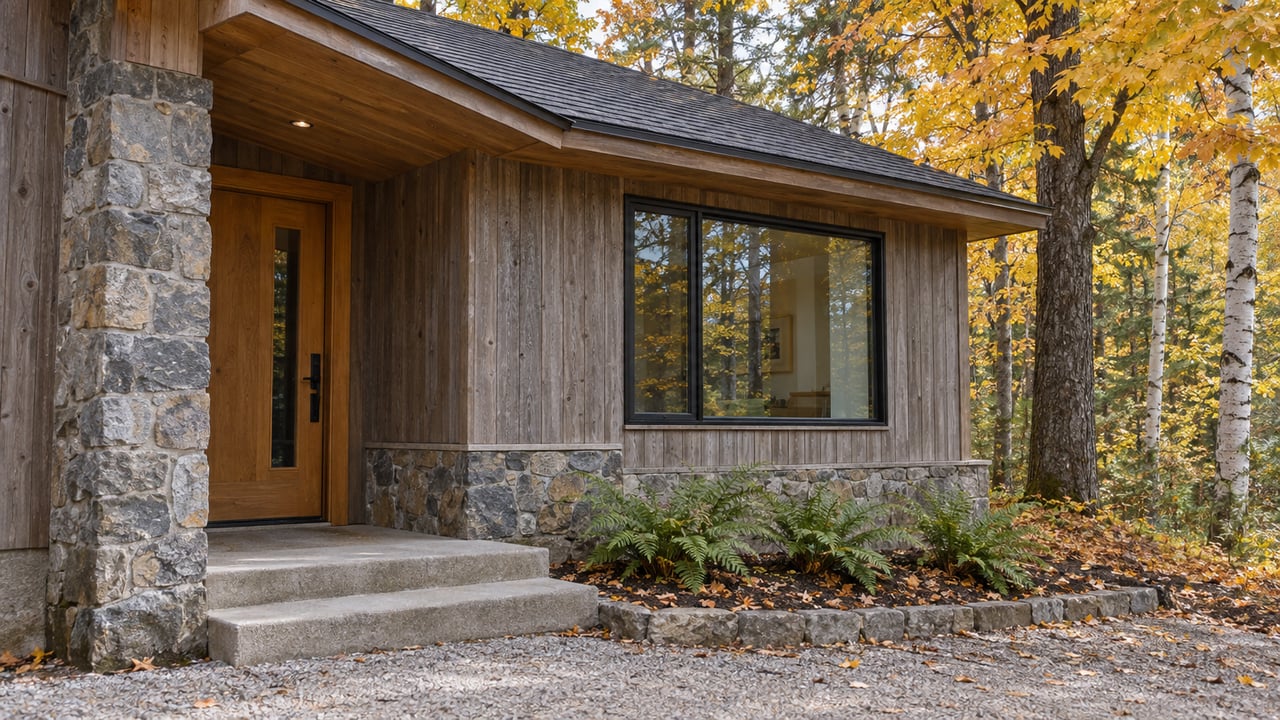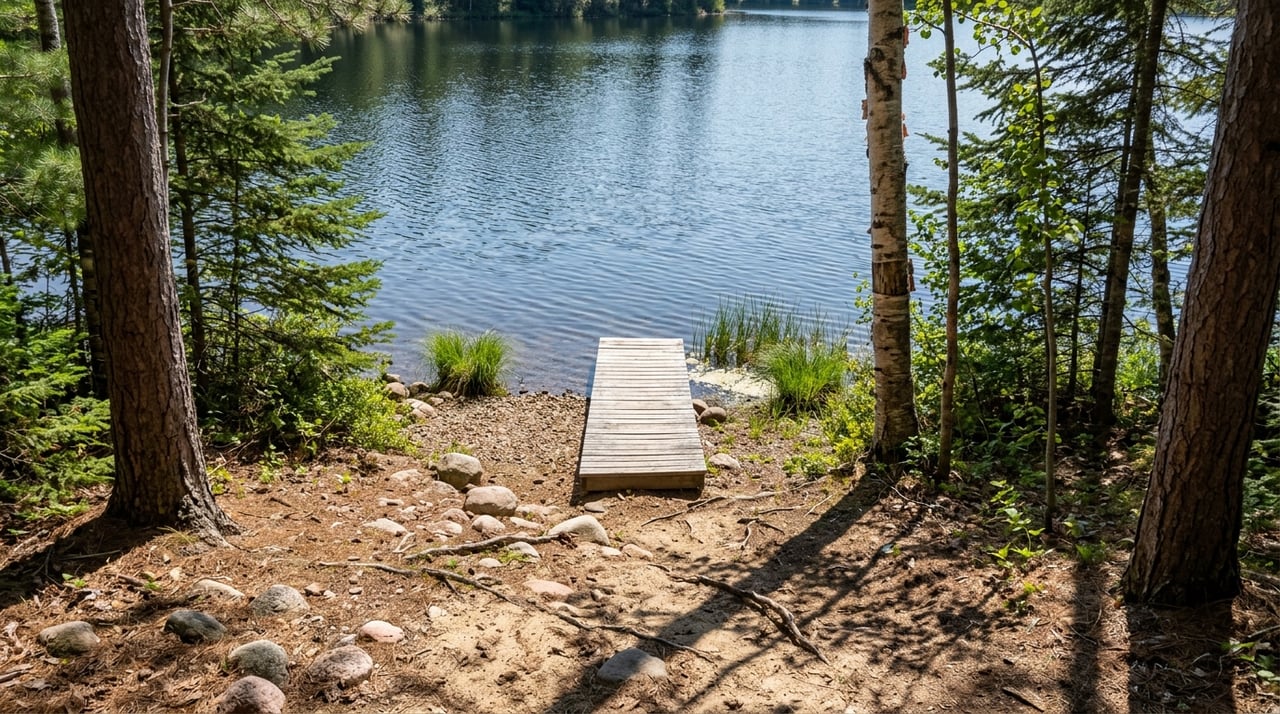
Buying a lakefront lot in Montmorency County can feel simple at first. You see the water, picture the cabin, and start planning the dock. But with 248 lakes and reservoirs, heavily wooded land, and lot-to-lot differences in access, shoreline, and buildability, the details matter just as much as the view. If you want to avoid expensive surprises, it helps to know what to check before you fall in love with a parcel. Let’s dive in.
Start With The Parcel Facts
A listing photo can show a beautiful shoreline, but it cannot confirm what you are actually buying. In Montmorency County, the smarter first step is to verify the parcel number, legal description, and boundary information through county mapping records.
The county GIS and Beacon tools track about 20,000 parcels. That makes them a helpful starting point for checking whether the lot lines, frontage, and parcel shape in a listing actually match county records. If the map in the listing looks vague or oversized, that is a sign to slow down and confirm the basics.
Confirm The Frontage Type
Not every property described as near the water gives you the same rights. Some lots have deeded frontage, some have shared access, and some may only offer an easement or a water view.
That difference can change how you use the property and what value it really has. Before you make assumptions, confirm whether the parcel includes true lakefront ownership or some other form of access.
Check Recorded Documents
The Montmorency County Register of Deeds is the official place for documents tied to land transfers and encumbrances. For a lakefront lot, recorded easements, restrictions, access rights, and surveys can be just as important as the asking price.
If a listing says lakefront, but the deed or recorded documents tell a different story, the recorded documents are what matter. This is one of the most important checks you can make early.
Look Closely At Shoreline Conditions
A pretty shoreline is not always an easy shoreline. On inland lakes and streams in Michigan, some work near the water can require review or permits through EGLE, including dredging, filling, placing structures on bottomlands, and some grading or shoreline changes.
That means your future plans for a dock, shoreline cleanup, or erosion control may not be as simple as they look from the road. A lot that seems move-in ready on paper may still come with added steps before you can improve it.
Watch For Drainage And Elevation Issues
High water and flooding have affected properties across Michigan in recent years. For a lakefront lot, that makes elevation, drainage, and shoreline stability worth close attention.
As you walk the property, look for low spots, soggy ground, drainage swales, steep slopes, or signs that water moves across the lot after rain. These conditions can affect where you build, what site work is needed, and how much your project may cost.
Notice Shoreline Treatment
Photos and aerial images can reveal a lot before you ever schedule a showing. Retaining walls, riprap, dense shoreline vegetation, mowed-to-the-edge lawns, and visible erosion areas can all tell you something about maintenance and permitting.
A cleaned-up shoreline is not always the easiest shoreline to own. In some cases, vegetation removal or hard shoreline protection can trigger additional review, so it is wise to treat those features as questions to explore, not automatic selling points.
Check For Wetlands Early
Wetlands are one of the biggest reasons a lot can look usable but become harder to build on. EGLE notes that wetlands may be hard to identify and may even appear dry on the surface.
Common clues include soggy ground, peaty soils, flat low land, tipped trees, nearby water, and failed perc tests. In a county with abundant woods and water, those signs should not be ignored.
Why Wetlands Matter For Buyers
If wetlands are present, they can affect where you place a home, driveway, septic system, or other improvements. They may also trigger additional review before work can begin.
Map tools can help flag possible wetland areas, but they do not confirm exact boundaries. If a parcel raises questions, an on-site visit and site-specific guidance are often worth the effort before you move forward.
Make Buildability A Top Priority
For many buyers, the biggest question is not whether the lot touches the lake. It is whether the lot can support the kind of home or getaway you want to build.
In Montmorency County, buildability often comes down to septic feasibility, well placement, utility layout, setbacks, shoreline conditions, and township zoning. You want enough usable land for all of those pieces to work together.
Understand Septic Review
District Health Department No. 4 serves Montmorency County and requires a construction permit before installing or repairing an onsite sewage disposal system. It also offers vacant land evaluations and existing well and septic evaluations.
Its vacant-land and septic review process includes soil evaluation, often called a perc test, to determine whether the property can support a sewage disposal system. On a vacant or lightly improved lakefront lot, this is one of the most important practical checks.
Ask For Site History And Sketches
DHD4’s application materials require a detailed site sketch with property lines, structures, wells, neighboring systems, roads, underground utilities, bodies of water, and test-hole locations. That tells you a lot about what matters during review.
If a listing has no soil history, no septic records, and no site sketch, you may need to plan for fresh evaluation work. That can affect both your timeline and your budget.
Confirm Room For Well And Drainfield
A lakefront lot can be narrow, wooded, or irregularly shaped. Even if the parcel looks large enough at a glance, the actual buildable area may be limited once you account for water setbacks, slopes, wetlands, septic needs, and utility placement.
This is why you should ask not only whether the lot passed a perc test, but also whether there is a practical area for a house, well, and drainfield to fit together on the site.
Review Zoning And Permit Requirements
Zoning is not uniform across Montmorency County. The county building department notes that township zoning permits are required before county building permits for many types of work, including new homes, garages, decks, and other improvements.
The county also identifies that some townships have zoning administrators, while Loud Township is specifically listed as having no zoning. That kind of variation makes it important to confirm which local rules apply to the exact parcel you are considering.
Know That Site Work Can Trigger Review
Grading, clearing, and driveway work near the lake are not just design choices. The county soil erosion and sedimentation permit process asks for details such as the nearest lake, stream, drain, or wetland, along with drainage direction, slope conditions, and distances from water.
That means a lot with a steep drop, wet areas, or limited access may involve more planning than a buyer expects. It is better to understand that upfront than after closing.
Ask About Lake Levels And Dams
Some lake conditions may also connect to county oversight. The county drain commissioner oversees legally set lake levels, court-ordered lake levels, dams, and impoundments.
If the lot is on a lake where water level management affects shoreline use, that is worth asking about early. It can help you better understand long-term shoreline conditions and expectations.
Verify Utilities Before You Commit
A great location does not always mean easy service connections. On a vacant lot, you should confirm electric service, gas if available, phone or internet options, and driveway access as early as possible.
Utility placement also ties back into buildability. DHD4’s site-sketch instructions specifically call for utility locations, which shows that these are part of the planning process, not just a later convenience item.
Use Photos And Aerials The Right Way
Listing photos are useful, but they should not be your only source of information. In a county that is about 86% forested, photos may hide slope, wet spots, tree cover density, and how much clearing would be needed for a home site.
Aerial views and an in-person visit can give you a better read on sun exposure, orientation, shoreline shape, access routes, and whether there is a usable building envelope away from the water.
A Simple Lakefront Lot Checklist
Before you write an offer on a Montmorency County lakefront lot, focus on five core checks:
- Verify the title and what transfers with the parcel
- Verify the boundary, frontage, and survey status
- Verify the septic path through DHD4 evaluation or records
- Verify shoreline and wetland questions that may affect permits
- Verify township zoning and local build requirements
That simple checklist can help you separate a scenic parcel from a workable one.
Why Local Guidance Matters
Lakefront land in Montmorency County can be full of promise, but every parcel tells a different story. Access, topography, utilities, septic feasibility, and recorded rights can all affect whether a lot fits your plans.
When you work with someone who understands the county’s land, lakefront patterns, and practical lot questions, you can make decisions with more confidence. If you are comparing lakefront lots or want help sorting through the details, Aimee Smith is a great local resource to start the conversation.
FAQs
What should you verify first on a Montmorency County lakefront lot?
- Start by confirming the parcel number, legal description, frontage, and boundary information against county GIS and Beacon records.
What does deeded frontage mean for a Montmorency County lakefront parcel?
- Deeded frontage means the parcel includes legal waterfront ownership, which is different from shared access, an easement, or a view-only lot.
Why does a septic evaluation matter for a Montmorency County vacant lot?
- A septic evaluation helps determine whether the property can support an onsite sewage disposal system and whether there is room for a drainfield and well.
How can wetlands affect a Montmorency County lakefront lot?
- Wetlands can limit where you place a home, driveway, septic system, or other improvements and may require additional review.
Do shoreline projects on Montmorency County inland lakes need permits?
- Some shoreline work, dock-related plans, grading, vegetation changes, dredging, or filling may require EGLE review or permits depending on the project.
Why should you check township zoning before buying a Montmorency County lot?
- Zoning and permit requirements are not the same across the county, so you need to confirm which township rules apply to the parcel before assuming it is buildable.